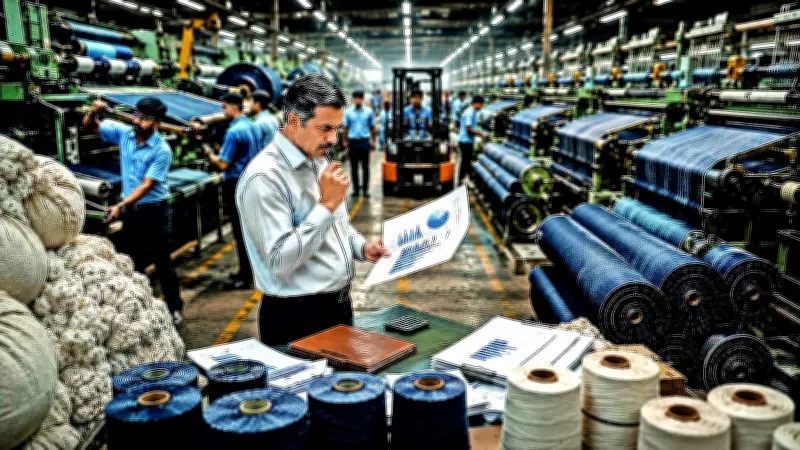
Gujarat's denim sector is experiencing a notable rebound, with multiple mills reporting a sharp increase in production and improved capacity utilization after a prolonged period of sluggish demand. Industry stakeholders indicate that order enquiries from both Indian and overseas markets have picked up in recent months, creating renewed optimism across the manufacturing chain.
Recovery Driven by Fashion Trends
According to manufacturers, the recovery is supported by evolving fashion preferences and a gradual return of denim as a mainstream wardrobe choice. Over the last few years, consumers—especially younger buyers—had shifted heavily towards athleisure and knit-based casual wear. Denim is now making a comeback as fashion trends move towards more versatile and expressive styles suited for daily wear.
Manufacturers say consumers are increasingly returning to denim because it offers both comfort and style, while allowing greater room for personal expression through newer silhouettes and washes.

“The good news is that denim demand is clearly back, with strong capacity utilization across mills. The real challenge now is not selling—but sustaining profitability amid rising input costs and limited pricing flexibility across the value chain,” said Sourav Jalan, director of Syama Denims.
Fashion’s New Silhouette Fuels Demand
The return of denim has been amplified by a broader fashion reset. Wide-leg jeans, flared trousers, barrel fits, and relaxed straight cuts have become increasingly popular, replacing skinny and heavily fitted styles that dominated the market for years. This transition is beneficial for mills because it encourages fresh purchases and increases fabric consumption per garment. According to industry estimates, these newer silhouettes require 20-30% more fabric than older slim-fit designs, resulting in stronger fabric demand even when unit sales growth remains moderate.
The shift is also driven by changing workplace culture. “With the change in trends and fashion, overall demand has picked up well. Office attire is becoming more casual, with men and women preferring denim paired with a top or shirt. Demand is good and there is no resistance to higher price points,” said Rahul Mehta, chief mentor of CMAI.
“Retro-inspired fits have changed the demand pattern in a meaningful way. Consumers are not just buying denim again—they are buying different kinds of denim, and those styles consume more fabric. That has created a stronger pull for mills and processors across the chain. Despite the huge rise in yarn prices, orders for yarn from denim manufacturers have remained strong,” said Ronak Kejriwal, who supplies yarn to denim mills.
Apart from garments, denim is also finding wider application in accessories, lifestyle products, and non-traditional categories, helping broaden the market beyond conventional apparel. This diversification is seen as a positive development for the sector, particularly as mills seek to reduce dependence on a narrow set of end uses.
Export Tailwinds Add to the Momentum
Manufacturers in Ahmedabad and other denim clusters across Gujarat say improved order visibility has helped stabilize production schedules. Export-oriented mills are also benefiting from a stronger dollar against the Indian rupee, which has enhanced the competitiveness of Indian denim shipments in global markets. Buyers from overseas are placing orders as sourcing patterns continue to diversify, while domestic brands are stepping up procurement to align with shifting retail demand.
Mehta notes that export demand will have a growing influence on mill performance. Inventory levels with garmenters are currently low, meaning fresh procurement cycles are likely to sustain order flows in the near term.
Value Brands and Gen Z: The New Demand Engine
A significant driver of the current recovery is the rise of value brands, which are pulling demand in ways that differ markedly from traditional consumption patterns. “Value brands have acquired a comfortable price point. Gen Z consumers buy frequently as trends change and tend to purchase in bulk from value brands rather than expensive labels. Because their volumes are high, they can negotiate better costs from manufacturers—and so they don’t raise their mark-ups,” said Mehta.

This dynamic creates a steady, high-volume floor of demand that is proving resilient even as prices rise. Rahul Shah, co-chair of the GCCI Textile Committee, adds that low inventory levels across the garment supply chain reinforce this trend. “Inventory levels with garmenters are low—everyone will need to buy. Value brands are driving sales in a big way and overall demand has improved,” he said.
The Cost Crunch: Where the Pain Lies
Despite the recovery in demand, profitability remains under pressure. Input costs across the denim value chain have risen sharply, with the squeeze felt from raw cotton to finished fabric. Geopolitical tensions have compounded the problem, disrupting freight routes and logistics networks, adding uncertainty to delivery schedules and transportation expenses.
The numbers tell the story plainly. “Denim demand has remained good, but profitability and margins are under pressure. Pre-spun yarn and ring yarn have gone up by Rs 80 per kg, open-end yarn by Rs 50, spandex by Rs 100, and polyester by Rs 35. Liquid indigo has risen by about Rs 30 a kilo, and dyes and chemicals by around 20%. This is because international cotton prices have moved up by nearly 30%, with Indian cotton going from Rs 54,000 to Rs 66,000. With all these increases, the actual rise in fabric cost works out to Rs 45-Rs 50 per metre—but we could only pass on Rs 30 per metre to buyers. That gap is being absorbed by manufacturers,” said Shah.
The pressure is particularly acute because apparel brands and retailers typically operate within pre-defined seasonal pricing structures, limiting their ability to revise prices mid-season even as costs move. As a result, margin compression is felt throughout the chain—from spinning and weaving units to garment manufacturers and brands.
“What makes this cycle unusual is that mills are not struggling for orders. Capacity utilization is healthy and buyers are active. The concern is whether the entire value chain can protect margins when raw materials, energy, and logistics are all moving up at the same time,” said Vinod Mittal, director of Vinod Denim.
Labour Shortages Add Another Layer of Strain
Labour availability is another challenge affecting operations in some clusters. Seasonal migration and structural workforce issues have made it difficult for certain units to maintain optimal efficiency, even as order books improve. Manufacturers say that while production lines are active, labour shortages can still affect turnaround times and push up operating costs—further compressing margins already under strain from the input cost surge.
A Meaningful Opportunity, With Caveats
Industry observers note that this marks a significant shift from the previous phase, when weak demand was the primary concern. The current environment is more favourable in terms of consumption and order flow, but less comfortable from a profitability standpoint. Mills are producing more, yet many are doing so under tighter financial conditions because cost increases cannot be fully passed on to customers.
For Gujarat—which remains one of India’s key denim manufacturing hubs—the current recovery offers a meaningful opportunity. Stronger domestic demand, improving export orders, and favourable fashion trends have created momentum that was largely absent during the slowdown years. Yet the industry’s next challenge will be converting this demand revival into stable and profitable growth.
“Denim demand has returned, production lines are active, and buyers are back in the market. The task ahead is to manage cost volatility—because the entire input cost increase is not accepted by buyers. Input costs are rising frequently, and many players are now cautious: if yarn or colour chemical prices come down suddenly, it could create panic across the chain,” said Suketu Shah, chief executive of Vishal Fabrics Ltd.