

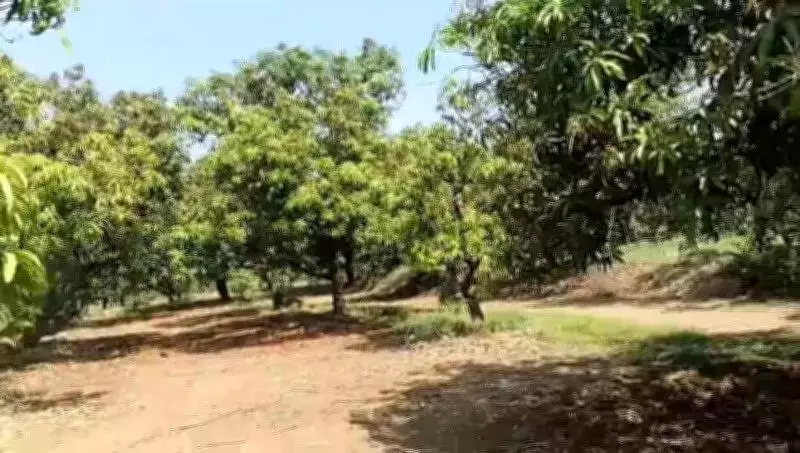
Gujarat's Precious Mango Harvest Faces Severe Setback
In a season that commenced with high hopes, cultivators of the exquisite Valsadi Hafoos, commonly known as Alphonso mangoes, are now confronting a deeply disappointing harvest. Orchards across Gujarat are displaying significantly fewer fruits, despite initial indications of bumper flowering that promised a bountiful yield.
Multiple Factors Converge to Diminish Crop Yields
Farmers throughout the state attribute this drastic reduction in fruit retention to a combination of adverse weather conditions, the most recent being an unseasonal wet spell, alongside vegetative flush and a severe infestation of thrips. Many growers anticipate barely half of their typical annual yield, marking a substantial economic blow to the agricultural community.
Ashok Naik, proprietor of a 5,000-tree mango orchard located in Sonwadi village within Navsari, elaborated on the challenges. "The past few years have been characterized by erratic weather patterns, steadily undermining the reliability of our crops," he stated. "This year, prolonged cloudy conditions precipitated a heavy thrips attack. Although flowering was abundant, the majority of fruits dropped during the critical setting stage. Those farmers who utilized plant growth regulators managed to salvage some of their crop, but many others endured heavy losses. Additionally, the flowering was predominantly male, which further reduced fruit formation." Naik, who typically harvests approximately 2 lakh kilograms, now expects a mere 60,000 kilograms.

Disrupted Crop Cycles and Farmer Concerns
Sudip Naik from Ichhapore village echoed these concerns, highlighting a shift in long-established crop cycles. "We previously experienced bumper crops every alternate year, but this pattern has been disrupted over the last seven to eight years due to changing weather conditions," he explained. "Even when flowering and initial fruiting appear promising in December, the final yield often dwindles to around 25%. This year, mangoes are scarcely visible on the trees, and farmers are hesitant to even engage in price discussions." He added that numerous cultivators have been compelled to modify their farming practices in response to these persistent challenges.
Official Acknowledgment and Regional Variations
Officials have also recognized the magnitude of the problem. DK Paladiya, deputy director of horticulture for the Navsari-Tapi region, confirmed that a severe thrips infestation in early February led to widespread fruit drop. "The pest attack during the crucial fruit-setting stage resulted in significant losses," he noted. "While some farmers managed to mitigate the damage through timely interventions, most were unable to prevent it."
In the Saurashtra region, particularly within the Kesar mango belt, the outlook presents a mixed scenario. Some orchards are reporting satisfactory yields, whereas others have suffered due to irregular flowering and fresh vegetative growth.
Tushar Dhameliya, director of a Farmer Producer Organisation (FPO) in the Gir area, pointed out that new shoots in several orchards will not bear fruit this season. "In such orchards, there may be little to no yield this year," he remarked. However, he added that an expansion in the total cultivation area could partially offset these losses, potentially keeping overall production near average levels.
Scale of Kesar Mango Cultivation in Saurashtra
Kesar mango cultivation spans nearly 40,000 hectares across 11 districts in Saurashtra, including Gir Somnath, Junagadh, Amreli, and Bhavnagar. The average annual output for this region is approximately 2.8 lakh metric tonnes, underscoring the economic importance of this crop to local communities.
This situation highlights the broader vulnerabilities faced by agricultural sectors in the face of climate variability and pest management challenges, calling for enhanced support and adaptive strategies to safeguard future harvests.






