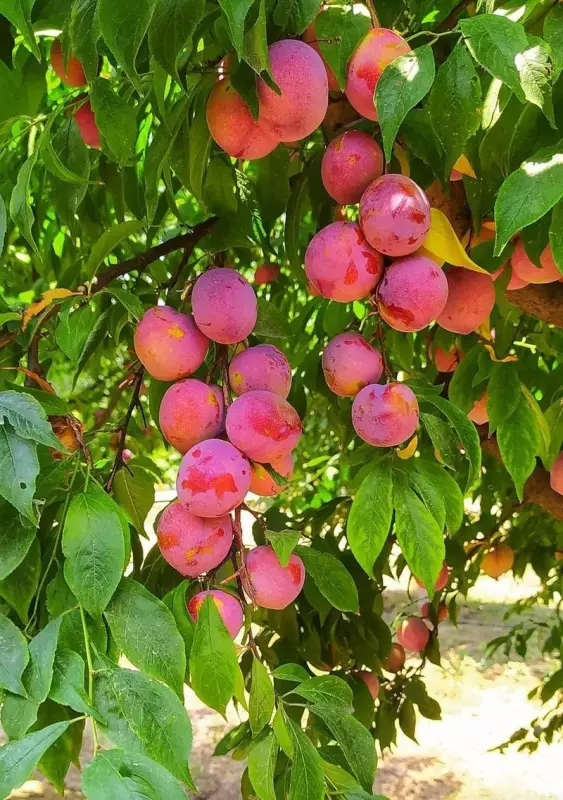
Haryana's Agricultural Landscape Transforms with Subtropical Fruit Cultivation
In a notable shift from traditional crop patterns, Haryana is experiencing a widespread expansion in the cultivation of subtropical fruits across its agricultural regions. This movement represents a strategic diversification effort by farmers and is supported by various governmental initiatives aimed at enhancing agricultural productivity and sustainability.
Statewide Adoption and Key Fruit Varieties
The cultivation of subtropical fruits has gained substantial ground throughout Haryana, with farmers in multiple districts embracing this horticultural practice. Among the prominent fruits being grown are mangoes, guavas, litchis, and citrus varieties such as kinnow and oranges. These crops are particularly suited to the state's climatic conditions, which include hot summers and mild winters, providing an ideal environment for subtropical species to thrive.
This agricultural transition is not limited to specific areas but is spreading across various parts of the state, indicating a broad-based acceptance among the farming community. Regions like Sirsa, Hisar, Karnal, and Ambala have reported increased acreage dedicated to these fruit crops, showcasing a regional shift towards more diversified and potentially profitable farming practices.

Driving Factors Behind the Expansion
Several key factors are contributing to the growing popularity of subtropical fruit cultivation in Haryana:
- Government Support and Schemes: State agricultural departments and horticulture boards have introduced programs offering subsidies, technical guidance, and market linkages to encourage farmers to adopt fruit cultivation.
- Economic Viability: Subtropical fruits often command higher market prices compared to traditional crops like wheat and rice, providing farmers with improved income opportunities.
- Climate Resilience: These fruit varieties are generally more resilient to certain climatic stresses, offering a buffer against unpredictable weather patterns.
- Water Efficiency: Some subtropical fruit crops require less water than conventional field crops, aligning with Haryana's need for sustainable water management in agriculture.
Impact on Farmers and Agricultural Economy
The move towards subtropical fruit cultivation is having a tangible impact on Haryana's agricultural sector. Farmers who have transitioned to these crops report better profit margins and reduced dependency on single-crop systems. This diversification is also helping to stabilize rural incomes and create new employment opportunities in fruit processing and marketing sectors.
The expansion of fruit cultivation is contributing to a more balanced agricultural portfolio for the state, potentially reducing risks associated with monoculture and price fluctuations in traditional crops. Additionally, it supports nutritional security by increasing the availability of fresh fruits within the state and neighboring regions.
Future Prospects and Challenges
Looking ahead, the trend of subtropical fruit cultivation in Haryana shows promising growth potential. However, several challenges need to be addressed to sustain this expansion:
- Developing robust cold chain infrastructure to reduce post-harvest losses
- Enhancing market access and export opportunities for Haryana-grown fruits
- Providing continuous technical support and training to farmers on modern horticultural practices
- Implementing effective pest and disease management strategies specific to fruit crops
The ongoing success of this agricultural shift will depend on continued policy support, research and development in fruit varieties suited to local conditions, and the creation of integrated value chains that benefit farmers directly. As Haryana's agricultural landscape evolves, the cultivation of subtropical fruits stands as a significant component of the state's strategy for agricultural modernization and economic development.