

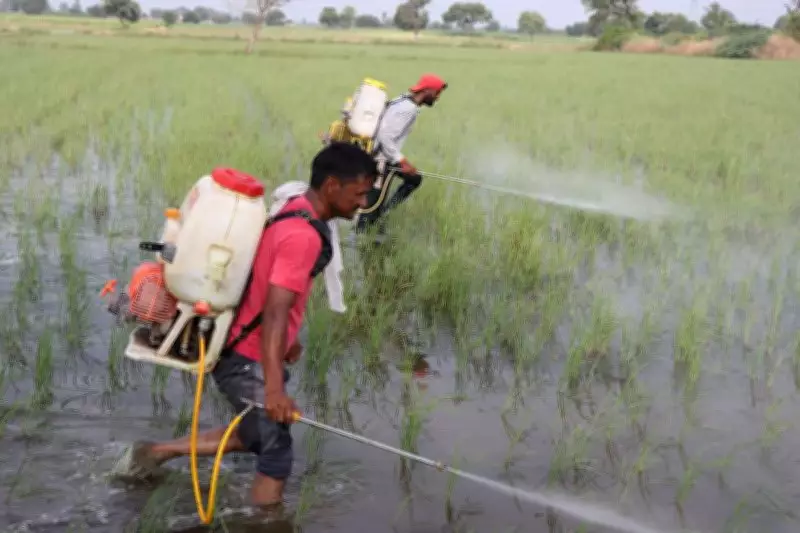
Haryana Farmers May Transition to Organic Farming as Ukraine Conflict Disrupts Fertilizer Imports
Farmers in the northern Indian state of Haryana are actively considering a significant shift toward organic farming practices. This potential transition is being driven by severe disruptions in the global supply chain for chemical fertilizers, primarily caused by the ongoing war between Russia and Ukraine. The conflict has led to major shortages and skyrocketing prices for key agricultural inputs, forcing local agricultural communities to reevaluate their traditional farming methods.
Supply Chain Crisis Impacts Key Fertilizer Imports
The war in Eastern Europe has created a critical bottleneck in the import of essential fertilizers such as urea, di-ammonium phosphate (DAP), and muriate of potash (MOP). Russia and Ukraine are major global suppliers of these products, and the hostilities have severely hampered production and export capabilities. Consequently, Haryana's farmers, who heavily rely on these imports to maintain crop yields, are facing unprecedented challenges in securing adequate supplies for the upcoming sowing seasons.
Local agricultural experts report that fertilizer prices have surged by over 40% in recent months, placing immense financial strain on small and marginal farmers. This economic pressure is compelling many to explore cost-effective and sustainable alternatives, with organic farming emerging as a viable long-term solution.

Organic Farming Gains Momentum as a Sustainable Alternative
In response to the fertilizer crisis, farmer cooperatives and agricultural extension services in Haryana are intensifying efforts to promote organic cultivation techniques. These methods emphasize the use of natural compost, green manure, crop rotation, and biological pest control, reducing dependency on synthetic chemical inputs. Preliminary discussions with farming communities indicate a growing interest in adopting these practices, particularly for crops like wheat, rice, and vegetables.
The potential benefits of this shift extend beyond immediate supply chain issues. Organic farming is seen as a way to:
- Improve soil health and fertility over time
- Reduce production costs by minimizing expensive fertilizer purchases
- Enhance crop resilience to climate variability
- Access premium markets for organic produce, both domestically and internationally
Government and Institutional Support Crucial for Transition
Successful adoption of organic farming on a large scale will require robust support from state and central government agencies. Key areas of focus include:
- Providing training and technical assistance to farmers on organic methods
- Establishing certification systems to ensure product quality and market access
- Developing infrastructure for organic input production and distribution
- Implementing financial incentives or subsidies to offset initial transition costs
While the immediate trigger is the war-induced fertilizer shortage, this crisis may accelerate a broader transformation in Haryana's agricultural sector. By embracing organic practices, farmers could not only mitigate current supply disruptions but also build a more sustainable and resilient farming ecosystem for the future.






