

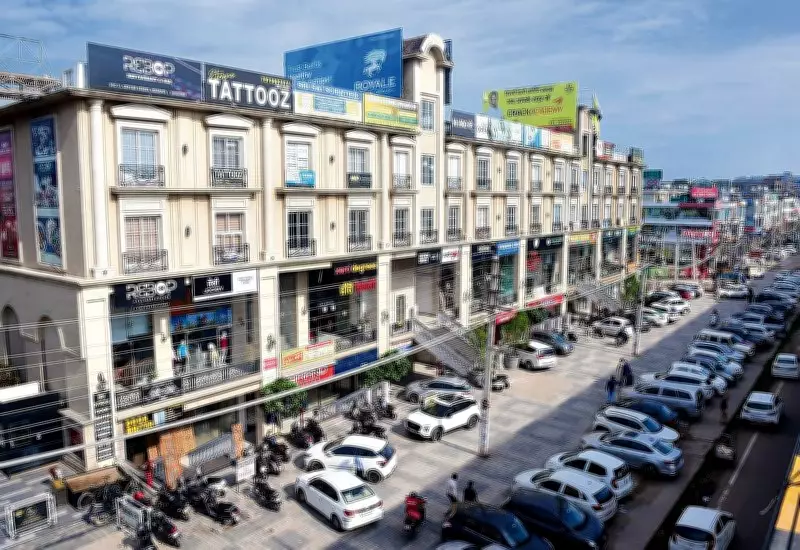
High Streets Surpass Malls in India as Experiential Shopping Gains Momentum
A recent report highlights a significant shift in India's retail landscape, with high streets now outperforming traditional shopping malls. This change is primarily driven by the growing consumer preference for experiential shopping, which focuses on immersive and personalized retail experiences rather than mere transactional purchases.
The Rise of Experiential Shopping in India
Experiential shopping has emerged as a dominant trend in India, transforming how consumers interact with retail spaces. This approach emphasizes creating memorable and engaging experiences, such as interactive displays, live demonstrations, and community events, which high streets are uniquely positioned to offer. Unlike malls, which often prioritize convenience and variety, high streets provide a more open and vibrant atmosphere that fosters social interaction and local culture.
The report indicates that this shift is reshaping consumer behavior, with shoppers increasingly seeking out destinations that offer more than just products. High streets, with their eclectic mix of boutiques, cafes, and street performances, are becoming preferred venues for those looking to combine shopping with leisure and social activities.

Why High Streets Are Outshining Malls
Several factors contribute to the superior performance of high streets over malls in India. Firstly, high streets offer greater flexibility and authenticity, allowing for a diverse range of local and independent retailers that cater to niche markets. This contrasts with malls, which often feature standardized chain stores and a more homogenized shopping environment.
Secondly, high streets are better equipped to host experiential events, such as pop-up shops, food festivals, and art installations, which attract foot traffic and enhance the overall shopping experience. These events create a sense of community and excitement that is harder to replicate in enclosed mall settings.
Additionally, the report notes that high streets are benefiting from urban development initiatives that prioritize pedestrian-friendly zones and public spaces. This has made them more accessible and appealing to consumers who value walkability and outdoor engagement, especially in the post-pandemic era where open-air environments are preferred.
Implications for India's Retail Sector
The trend towards experiential shopping and the rise of high streets have significant implications for India's retail sector. Retailers are now compelled to rethink their strategies, focusing more on customer engagement and experiential offerings to stay competitive. This includes investing in unique store designs, personalized services, and interactive technologies that enhance the shopping journey.
For mall operators, the report suggests a need to adapt by incorporating more experiential elements, such as entertainment zones, dining experiences, and community hubs, to attract visitors. However, high streets currently hold an advantage due to their inherent characteristics that align with the experiential shopping trend.
Looking ahead, the report predicts that this shift will continue to influence retail development in India, with high streets likely to see increased investment and innovation. As consumers prioritize experiences over mere consumption, the retail landscape is set to evolve further, emphasizing authenticity, community, and engagement.






