

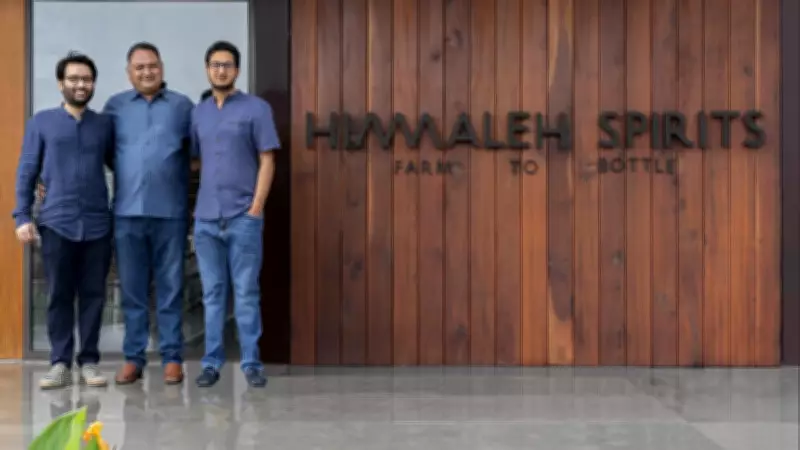
Himalayan Craft Spirits Pioneer Himmaleh Sees 22% Growth as India's Alcohol Market Evolves
In the dynamic landscape of India's alcoholic beverages sector, a significant transformation is underway. While brown spirits continue to dominate the market, with whisky alone accounting for approximately 67% of total spirits consumption, a new wave of premiumization is reshaping consumer preferences. Among the fastest-growing segments is gin, fueled by urban consumers embracing sophisticated cocktail culture and demanding higher-quality, artisanal products.
Founding Vision: Crafting Authenticity in a Nascent Market
Samarth Prasad and Ansh Khanna, the visionary co-founders of Himmaleh Spirits, entered the alcohol business at a time when India's craft spirits category was still in its formative stages. Their decision was not merely about market timing but rooted deeply in geography and philosophy. The craft spirits market, estimated at around $2.66 billion in 2024, is projected to grow at an impressive compound annual growth rate of over 22% in the coming years, signaling a clear shift toward premium, provenance-led choices among discerning drinkers.
"When we began, India's craft spirits movement was in its early years, yet the direction of consumer behavior was already evident," explains Prasad. "The market was largely volume-driven, with limited emphasis on provenance or production processes. We identified an opportunity to create a brand deeply rooted in place, where authenticity and origin would define the liquid rather than relying solely on marketing narratives."

Uttarakhand offered extraordinary natural advantages that became the foundation of their venture. The pristine Himalayan water, rich biodiversity, and distinctive agricultural ecosystem presented a terroir rarely expressed through Indian spirits. Entering the market early allowed Himmaleh Spirits to build patiently, invest in quality, and establish a philosophy prioritizing craftsmanship over fleeting category trends.
Building a Sustainable Distillery in the Himalayas
Establishing a greenfield distillery in the challenging terrain of the Himalayas required balancing logistical hurdles with unwavering environmental and community commitments. Uttarakhand's natural resources provided an ideal terroir, but limited infrastructure necessitated designing the facility from scratch with sustainability at its core.
"Building a distillery in the Himalayas meant addressing logistical challenges while maintaining strong environmental standards," notes Khanna. "Across every stage—from sourcing botanicals for our gin and other craft spirits to distillation and bottling—we embed traceability and responsible practices. We collaborate closely with local farmers, prioritize traceable sourcing, and follow environmentally conscious production methods."
As India's spirits landscape evolves toward premiumization and artisanal products, consumers increasingly value stories of origin tied to sustainable production. This ethos not only differentiates Himmaleh's portfolio but reinforces an authenticity that resonates with both domestic and global audiences seeking meaningful connections with their beverages.
Strategic Product Choices: Gin and Coffee Liqueur
The decision to launch with gin and a coffee liqueur was intentional and strategic. Gin serves as a uniquely expressive medium for terroir, allowing the Himalayan botanicals paired with crystal-clean water to deliver a distinctive flavor profile. In India, where brown spirits traditionally rule, gin has emerged as one of the fastest-growing segments, driven by premiumization and the rise of urban cocktail culture.
"Gin was a deliberate starting point because it highlights both region and ingredient quality," says Prasad. "Our expressions like Jin Jiji and Bandarful showcase the exceptional botanicals and pristine water of the Himalayas, offering consumers a taste of place that stands apart in a crowded market."

Navigating Regulations and Building a Global Brand
India's complex and restrictive excise laws present significant challenges for spirits producers, yet Himmaleh Spirits has turned these hurdles into opportunities for strategic discipline. The overall Indian alcoholic beverages market was valued at more than $145 billion in 2024 and is expected to grow steadily. However, craft and premium segments are outpacing traditional categories as consumers increasingly trade up for quality.
"India's excise framework can slow expansion, but it has also instilled strategic discipline in our operations," explains Khanna. "Navigating regulations has encouraged us to build robust compliance systems and focus on long-term planning rather than chasing rapid, unsustainable scale."
The long-term vision for Himmaleh Spirits is ambitious: to redefine how Indian spirits are perceived internationally by championing quality, provenance, and craftsmanship. Whether through their gin, coffee liqueur, or future whisky offerings, the company aims to create products that stand shoulder to shoulder with the best in the world.
"Our focus remains on thoughtful growth, quality-first innovation, and elevating India's narrative on the global spirits stage," concludes Prasad. "While policy evolution would benefit the wider craft ecosystem, we are committed to building a 'Made in India, Made for the World' brand that celebrates the unique terroir of the Himalayas and the artistry of Indian craft spirits."





