There was a time when wedding décor followed a familiar formula, regardless of location. Today, destination weddings are changing that trend entirely and in doing so, they are influencing how hospitality-led real estate is being designed. The setting is no longer just a backdrop—it is a defining factor in both celebration design and property value.
From Palace Backdrops to Coastal Venues
From palace backdrops in Udaipur to coastal venues and mountain retreats, couples are approaching décor as a way to reflect and enhance their surroundings. For real estate developers and hospitality investors, this shift is translating into a growing demand for visually beautiful venues that can double as immersive wedding destinations. The result is a move towards more intentional, immersive styling where every detail feels connected to the destination. Based on insights from Pinterest’s 2026 Wedding Trends Report, several décor trends are shaping destination weddings in India.
Mandaps Designed for the Setting
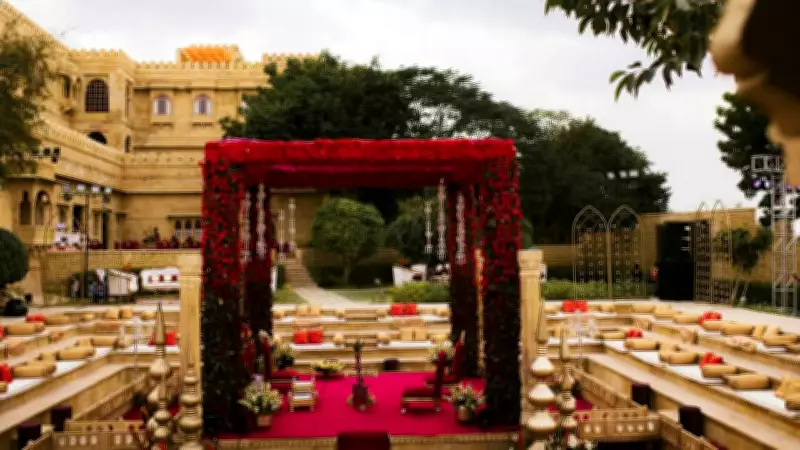
Mandaps are no longer one-size-fits-all structures; instead, they are being tailored to complement the environment they sit in. In Udaipur and Jaipur, this might mean ornate mandaps that echo palace architecture, complete with carved details and rich florals. On the coast, lighter structures with flowing drapes and tropical blooms are replacing heavier designs. As a result, developers are investing in restoration projects and heritage-inspired new builds that cater specifically to the wedding market. Searches for “mandap decoration” and “Hindu wedding stage decoration” have surged, reflecting how couples are prioritising ceremony spaces as a visual focal point. Therefore, coastal and hill properties are being designed with open lawns and beachfront decks.

Décor That Blends into the Landscape
Rather than overpowering scenic venues, décor is increasingly designed to work with natural surroundings. This has made location a major selling point in real estate. Beach weddings are leaning into softer palettes—ivory, blush, and sand tones—paired with textures like linen and rattan. Palace weddings are embracing deeper hues and layered florals to match the grandeur of the space, while hill destinations favour greenery-led styling and organic arrangements. And that is why hill destinations or valley-facing layouts are becoming more attractive for buyers looking to invest in boutique resorts or wedding villas. This shift signals a move away from standalone set-ups towards cohesive environments that feel considered and place-specific.
Invitations as the First Design Touchpoint
The décor story now begins well before the wedding itself. Invitations—especially digital formats—are being designed to reflect the destination and set the visual tone early. This is also pushing demand for properties offering multiple distinct spaces within a single venue. For a beach wedding, this might mean fluid typography, ocean-inspired palettes, and shell motifs. Palace weddings often lean into regal colours, intricate patterns, and heritage-inspired details. These cues often carry through into on-ground décor, creating a seamless visual language from invite to event.
Ritual Spaces with Distinct Visual Identities
As destination weddings evolve, individual ceremonies and rituals are being given their own décor language, rather than being styled uniformly. Events like haldi, mehndi, or regional ceremonies such as aiburobhat or lagan lekhan are being designed with specific colour palettes, props, and backdrops that reflect both cultural significance and the destination setting. For instance, a beachside haldi might feature marigolds with citrus tones and cane elements, while a palace-based ritual could incorporate traditional textiles and ornate detailing.

A More Intentional Way to Celebrate
Destination weddings in India are no longer just about choosing a scenic venue—they are about designing an experience that feels rooted in place. Décor has become the medium through which that story is told, with every element shaped by the location, the setting, and the atmosphere couples want to create. This shift is also reflected in how couples are planning. Insights from Pinterest’s 2026 wedding trends point to a growing focus on visually cohesive, multi-phase celebrations, with strong interest in mandap styling, destination-led décor ideas, and culturally rooted design details. Together, these signals reflect a more personalised and intentional approach—where weddings are not just planned, but thoughtfully designed from start to finish.