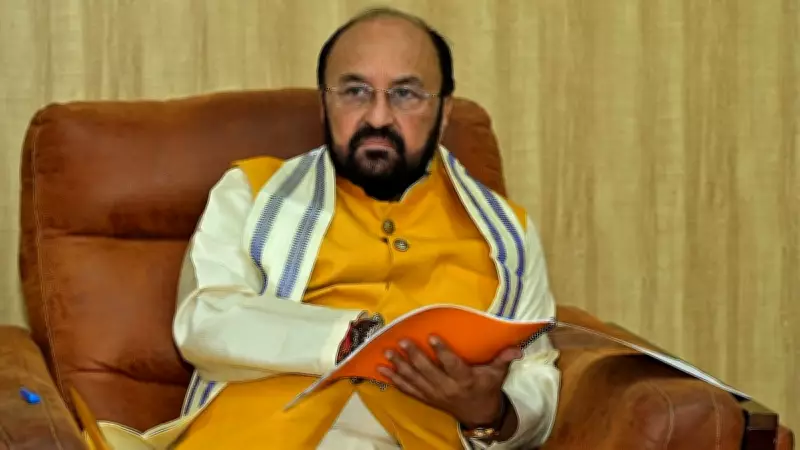
In a recent statement, a minister from Uttar Pradesh has sparked controversy by criticizing the popular nursery rhyme 'Johny Johny, Yes Papa'. The minister argued that the poem, which is widely recited in schools and households, teaches children how to lie from an early age. According to the minister, such rhymes do not inculcate any cultural values and instead encourage dishonesty among young minds.
Minister's Concerns
The minister expressed that the rhyme's narrative, where a child denies eating sugar despite evidence to the contrary, normalizes deceit. He emphasized that children are impressionable and that repeated exposure to such content could shape their moral compass negatively. The minister called for a review of educational materials to ensure they promote honesty and integrity.
Reactions and Debate
The remark has triggered a debate among educators, parents, and cultural commentators. Some support the minister's view, arguing that traditional rhymes should be replaced with more value-based content. Others, however, defend the rhyme as a harmless piece of folklore that has been enjoyed for generations without causing moral decay. They point out that the rhyme is often used playfully and that children understand its fictional nature.

This is not the first time a nursery rhyme has come under scrutiny for its content. Several classic rhymes have been criticized for promoting violence, stereotypes, or outdated norms. The minister's statement adds to the ongoing conversation about the role of early childhood education in shaping ethical behavior.
Broader Implications
The controversy highlights the delicate balance between preserving cultural traditions and ensuring that educational content aligns with modern values. While some argue for the need to update children's literature, others caution against over-policing innocent rhymes. The debate is likely to continue as policymakers and educators explore ways to foster moral development in young children.
As of now, there has been no official response from the state's education department regarding any potential changes to the curriculum. However, the minister's comments have certainly stirred public discourse on the impact of nursery rhymes on child psychology.