

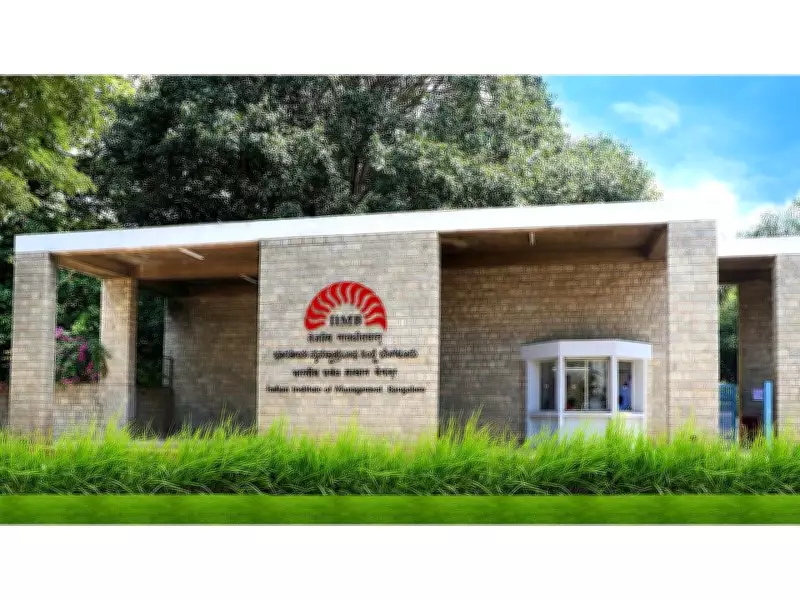
IIM Bangalore's Centre for Digital Public Goods Hosts Key Roundtable on Carbon Markets
In a significant move as India gears up for the launch of its Carbon Credit Trading System (CCTS), the Centre for Digital Public Goods (CDPG) at IIM Bangalore organized a pivotal multi-stakeholder roundtable on March 19, 2026. This event was dedicated to designing an Open Network for Carbon Markets (ONCM), bringing together a diverse group of leaders from regulators, market exchanges, technology providers, policymakers, forest departments, and corporate buyers to chart a collaborative path forward.
Addressing Barriers in Global Carbon Markets
The proposed ONCM, developed in partnership with Networks for Humanity (NFH), aims to tackle critical obstacles that have historically limited India's engagement in global carbon markets. Key challenges include fragmented registries, cross-border trading restrictions, opaque pricing mechanisms, and inconsistent monitoring-review-verification (MRV) processes. By establishing an open digital infrastructure, the ONCM seeks to enable seamless trading of carbon credits internationally while ensuring participants retain agency, autonomy, and data sovereignty.
Enhancing Accessibility and Trust
A core feature of the ONCM is its focus on grassroots inclusion. For instance, even small-scale farmers looking to monetize farm assets as carbon credits can participate through simple voice commands on platforms like WhatsApp. Simultaneously, global buyers will benefit from interoperable, programmable authentication and audit systems, along with transparent pricing, fostering greater trust in carbon credit supplies.

Expert Insights and Collaborative Design
During the roundtable, Prof. R Srinivasan, Chairperson of CDPG, emphasized the necessity of an interoperable open network to empower Indian industries, farmers, and micro-entrepreneurs in leveraging global carbon markets. Sujith Nair, Co-founder of Beckn and NFH, drew parallels with early internet and telecom protocols, highlighting how open protocols have transformed sectors such as mobility (e.g., Namma Yatri), commerce (e.g., ONDC), and energy (e.g., Digital Energy Grid). He noted that such protocols serve as foundational digital networks, allowing market participants to build diverse applications on top.
Ms. Chaitrali Bhoi, the ONCM project lead, outlined the challenges plaguing current carbon markets and articulated the vision for the ONCM. The design process involved experts divided into four working groups: market mechanisms and regulatory frameworks, technology enablers, supply-side actors, and demand-side actors. These groups debated design requirements, assessed technical feasibility, and agreed to initiate pilot projects to test the network's efficacy.
Commitments and Key Participants
The roundtable concluded with a synthesis of the design and firm commitments from participating experts to advance pilot implementations. Notable attendees included Ms. Praveena Rai, CEO of MCX; Dr. K Ravichandran, Director of IIFM Bhopal; Ms. Komal Shah of SML Ltd.; Dr. Ch. Sudhakar Reddy from NRSC/ISRO; and leaders from NFH, IIMB, NLSIU, Tata Consultancy Services, RenewCred, PhonePe, and Tata Motors. This collaborative effort underscores a unified drive to position India as a leader in sustainable carbon market solutions through innovative digital frameworks.






