

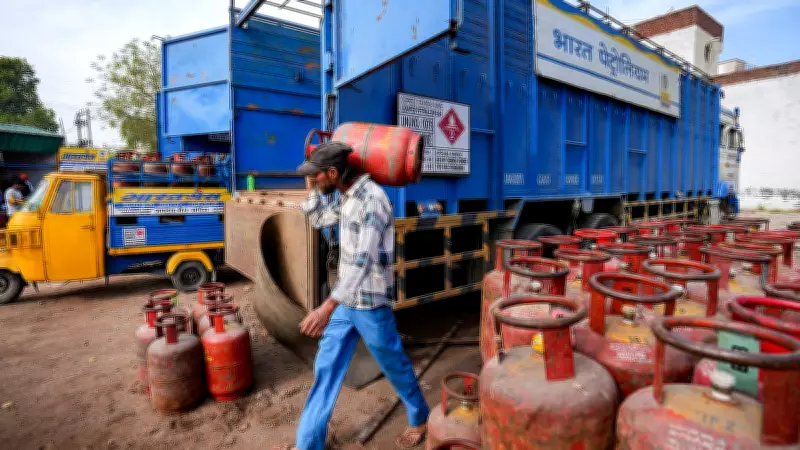
India Increases Commercial LPG Supply to 70%, Prioritizing Industrial Needs Amid West Asia Conflict
The Indian government has announced a significant policy shift, raising the allocation of commercial liquefied petroleum gas (LPG) to 70% of total supply. This strategic move is designed to prioritize industrial sectors across the country, ensuring they have adequate fuel to maintain operations and economic productivity.
Response to Import Disruptions Triggered by Regional Conflict
The decision comes as a direct response to disruptions in LPG imports, which have been severely impacted by the ongoing conflict in West Asia, particularly involving Iran. This geopolitical turmoil has led to supply chain challenges, affecting the availability of fuel for various industries nationwide. By boosting commercial LPG supply, the Centre aims to mitigate these shortages and stabilize the industrial landscape.
Key aspects of this policy include:

- Enhanced Allocation: The increase to 70% marks a substantial rise from previous levels, reflecting the urgency of the situation.
- Industrial Focus: Industries such as manufacturing, hospitality, and small-scale enterprises are prioritized to prevent economic slowdowns.
- Supply Chain Stabilization: Efforts are underway to secure alternative import routes and domestic production to complement this allocation.
Impact on Fuel Availability and Economic Implications
The conflict in West Asia has created a ripple effect, with fuel availability becoming a critical concern for businesses reliant on LPG. This government intervention is expected to alleviate pressure on industries, ensuring they can continue operations without major interruptions. Analysts suggest that this move could help maintain India's economic growth trajectory by supporting key sectors during a period of global uncertainty.
Further measures under consideration:
- Monitoring of distribution networks to prevent hoarding and ensure equitable access.
- Collaboration with international partners to diversify import sources beyond the conflict-affected region.
- Potential subsidies or support mechanisms for industries hardest hit by the fuel shortages.
This proactive step underscores the government's commitment to safeguarding industrial interests and national economic stability amid external geopolitical challenges. Stakeholders are advised to stay informed as the situation evolves, with updates expected based on regional developments and supply chain assessments.






