India Prepares for Unusually Hot March, Wheat and Rapeseed Crops in Jeopardy
The Indian Meteorological Department (IMD) is set to release its official temperature forecast for March later this week, with early indications pointing to an unusually hot period across the country. This anticipated heatwave has raised alarms among agricultural experts and farmers, as it could severely impact key crops such as wheat and rapeseed during their critical growth stages.
IMD Forecast Awaited Amid Growing Concerns
While the IMD has not yet provided specific details or responded to immediate requests for comment on the March temperature outlook, the agency's upcoming report is highly anticipated. Historically, March marks a transitional phase into summer, but this year's predictions suggest temperatures may exceed normal ranges, potentially leading to prolonged heat stress on vegetation.
Agricultural Risks and Crop Vulnerability
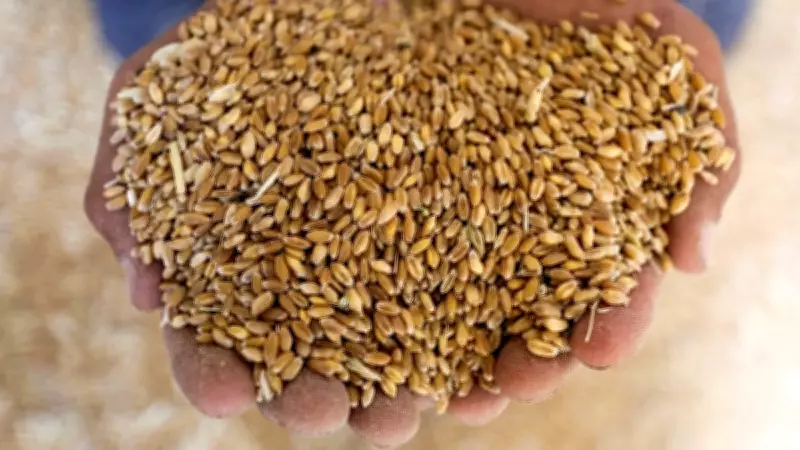
The potential for an unusually hot March poses significant threats to India's agricultural sector, particularly for wheat and rapeseed, which are staple crops with vast cultivation areas. Wheat, a major winter crop, is especially sensitive to high temperatures during its grain-filling phase, as excessive heat can reduce yields and quality. Similarly, rapeseed, used for oil production, may suffer from heat-induced stress, affecting both quantity and oil content.

Farmers across northern and central India, where these crops are predominantly grown, are already expressing concerns. Unseasonal warmth could accelerate crop maturation, leading to premature harvesting and lower productivity. This scenario might not only impact domestic food supplies but also influence market prices and export potentials, given India's role as a key global wheat producer.
Broader Implications and Preparedness Measures
Beyond agriculture, an unusually hot March could have wider repercussions, including increased energy demand for cooling, health risks from heat-related illnesses, and strain on water resources. Authorities and agricultural bodies are likely to issue advisories to help farmers mitigate risks, such as through adjusted irrigation schedules or the use of heat-resistant crop varieties.
As the IMD prepares to unveil its forecast, stakeholders from government agencies to local farming communities are on high alert. Proactive measures and timely interventions will be crucial to safeguard crops and minimize economic losses. The situation underscores the importance of accurate weather predictions in an era of changing climate patterns, where extreme temperatures are becoming more frequent.
In summary, India is bracing for a challenging March with elevated temperatures that threaten vital agricultural outputs. The IMD's forthcoming report will provide critical insights, but the need for resilience and adaptation in the face of climatic uncertainties remains paramount for the nation's food security and economic stability.