

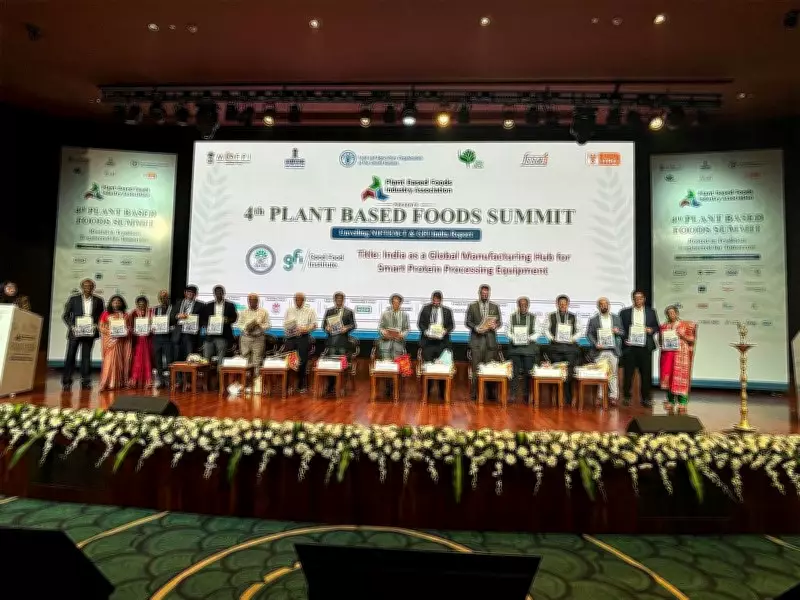
India's Strategic Leap in Smart Protein Manufacturing
A groundbreaking study conducted by GFI India and the National Institute of Food Technology Entrepreneurship and Management - Thanjavur (NIFTEM-T) has unveiled India's immense potential to transform into a global manufacturing hub for smart protein processing equipment. This development marks a significant stride in the burgeoning alternative protein industry, positioning India at the forefront of sustainable food technology innovation.
Key Findings from the Landmark Study
The comprehensive research highlights several critical factors that underscore India's readiness to dominate this niche market. India's robust manufacturing infrastructure, coupled with its cost-competitive labor force, provides a solid foundation for producing high-quality processing equipment. The study emphasizes that the country's existing expertise in machinery production for traditional food sectors can be seamlessly adapted to meet the specific demands of smart protein technologies.
Furthermore, the report identifies growing domestic and international demand for alternative proteins as a primary driver. As consumers worldwide shift towards plant-based and cultivated meat products, the need for specialized processing equipment is escalating. India's strategic location and trade networks offer a logistical advantage for exporting these machines to global markets, enhancing its economic prospects.

Economic and Environmental Implications
Becoming a global hub for smart protein processing equipment could yield substantial economic benefits for India. It is projected to create numerous jobs, stimulate local industries, and attract foreign investment. The study notes that this move aligns with India's broader goals of promoting sustainable development and reducing the environmental footprint of food production.
By fostering innovation in this sector, India can contribute to global food security while addressing climate change concerns. The production of smart protein equipment supports the transition to more resource-efficient food systems, which is crucial in the face of rising population pressures and environmental challenges.
Challenges and Opportunities Ahead
Despite the optimistic outlook, the study acknowledges certain hurdles that must be overcome. These include the need for targeted policy support, increased research and development funding, and enhanced collaboration between academia, industry, and government. Addressing these challenges will be vital to fully realize India's potential in this domain.
In conclusion, the GFI India and NIFTEM-T study paints a promising picture of India's future in the smart protein landscape. With strategic investments and supportive policies, India is well-positioned to lead the global market for processing equipment, driving innovation and sustainability in the food industry.






