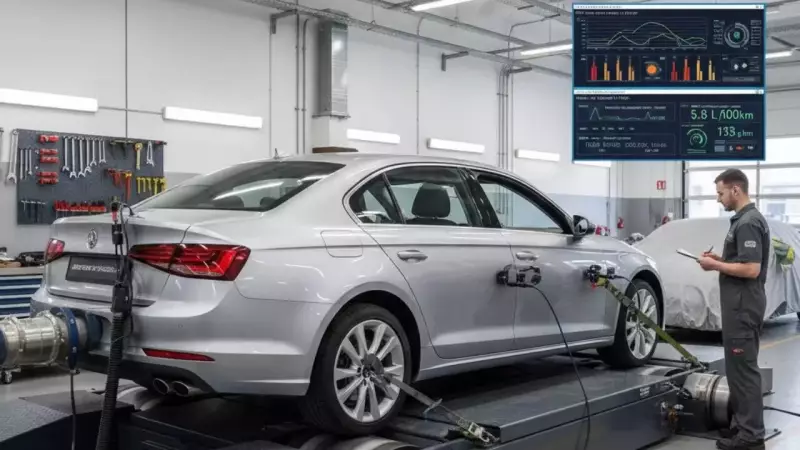
India Prepares to Overhaul Car Mileage Testing System
The Indian government is taking a significant step to change how car mileage gets tested and reported across the country. This move aims to close the persistent gap between advertised fuel efficiency figures and the actual numbers drivers experience on the road.
New Testing Rules Proposed by MoRTH
The Ministry of Road Transport and Highways has put forward a draft notification containing new regulations. These rules will mandate that automobile manufacturers conduct fuel consumption tests with the vehicle's air-conditioning system both activated and deactivated.
This approach promises to deliver much more realistic mileage data to potential car buyers. The current system calculates official mileage figures with the AC switched off, which often leads to inflated claims.

Implementation Timeline and Vehicle Coverage
According to the draft issued last week, the new testing protocol will apply to all passenger vehicles in the M1 category. This includes cars with internal combustion engines and electric vehicles.
The regulation will cover vehicles manufactured or imported into India on or after October 1, 2026. Testing must align with the AIS-213 standard, which defines procedures for measuring emissions and fuel consumption when the air conditioner operates.
Dual Mileage Disclosure Requirement
Carmakers will need to disclose two separate sets of mileage figures under the proposed regulation. They must provide both the mileage with AC on and the mileage with AC off.
Manufacturers will have to include this information in vehicle user manuals and display it on their official websites. This dual disclosure system addresses a long-standing consumer complaint.
Why This Change Matters for Indian Drivers
Most Indian drivers use their car's air conditioning extensively throughout the year, especially with rising temperatures and urban traffic conditions. The AC system places an additional load on the engine or powertrain, which increases fuel consumption.
The current testing norms ignore this reality, resulting in claimed mileage numbers that rarely match everyday driving experiences. Many buyers discover their actual fuel economy falls far short of advertised figures, leading to higher running costs than anticipated.
Benefits for Consumers and the Market
This regulatory shift promises several advantages for car buyers across India. Consumers will gain clearer, more accurate information about expected fuel efficiency.
With access to both AC-on and AC-off mileage figures, people can make better-informed purchasing decisions. They can estimate their running costs more precisely and avoid unpleasant surprises when refueling.
The new rules apply uniformly to all passenger cars regardless of their power source. Whether a vehicle runs on petrol, diesel, electricity, or another powertrain, it must undergo the same testing procedure.
Addressing a Common Consumer Problem
Indian drivers frequently encounter a disconnect between claimed and actual mileage. Traffic congestion, long commutes, and year-round AC usage have become normal in most cities.
The proposed testing changes acknowledge these real-world driving conditions. By factoring in AC usage, the government aims to provide mileage data that truly reflects how Indians use their vehicles daily.
This initiative represents a consumer-friendly reform in the automotive sector. It responds directly to widespread feedback about misleading mileage claims and seeks to establish greater transparency between manufacturers and buyers.