India Readies Major Boost for Footwear Industry
The Indian government is actively preparing a substantial financial package worth one billion dollars. This initiative aims to significantly strengthen the country's footwear manufacturing sector. The move comes at a crucial time. The industry faces considerable pressure from recent international trade measures.
Addressing Global Tariff Challenges
The United States imposed a fifty percent tariff on various Indian exports. This action directly impacted the footwear sector among others. Government officials recognize the urgent need for a strategic response. The proposed package seeks to make Indian manufacturers more competitive globally.
Earlier discussions involved a production-linked incentive scheme for footwear. That specific proposal did not materialize under the previous policy framework. However, the current plan is far more comprehensive. It addresses the entire production value chain from beginning to end.

Comprehensive Support for the Value Chain
The new package will cover raw materials, various inputs, and finished products. It offers clear benefits to investors in this labor-intensive industry. While final details are still being worked out, official sources confirm discussions are at an advanced stage. An announcement is expected shortly.
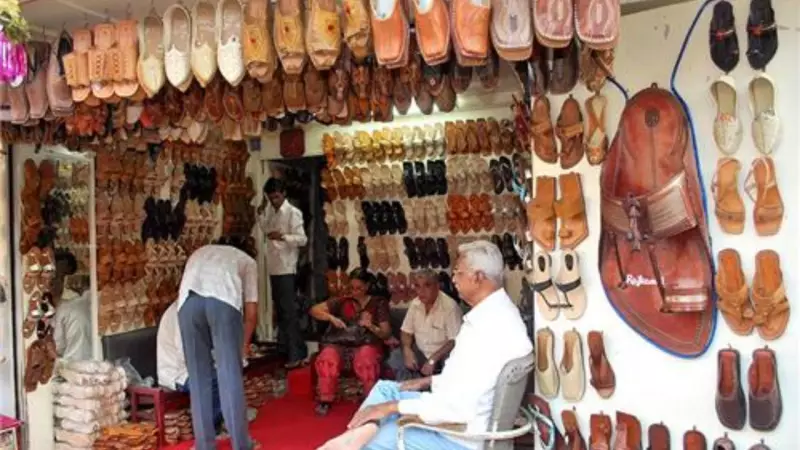
India holds the position as the world's second largest footwear producer. The country was once a dominant force in leather footwear. Global market trends have shifted dramatically in recent years. Sports shoes and athleisure wear now dominate consumer preferences.
Navigating a Changed Global Landscape
China emerged as the global leader in footwear production. Vietnam also joined the competition with massive manufacturing plants. Several Indian companies have become contract manufacturers for foreign brands, particularly those based in Taiwan. The new US tariffs have disrupted investment plans and export calculations.
Domestic manufacturers highlight another significant challenge. They face capacity constraints for producing essential inputs. This often forces them to source materials from China. The tariff structure for raw materials used in soles and other shoe components also presents problems. High import duties discourage local production and encourage imports.
Aligning with Broader Economic Goals
This footwear initiative parallels similar efforts in other sectors. The government is developing comprehensive packages for electronics manufacturing that now include components. The timing aligns with broader economic objectives. Authorities want to boost both domestic consumption and international exports of Indian footwear.
The goal is clear. Indian companies should become integral parts of the global footwear value chain. This push coincides with India's aggressive free trade agreement negotiations. The European Union will likely join the United Kingdom as a new partner soon. These markets are expected to offer duty concessions for Indian goods.
Growth Potential in Domestic and International Markets
Such trade agreements could help channel additional manufacturing capacity expected in coming months. The domestic market itself shows strong growth potential. Currently, the average Indian buys about two pairs of shoes annually. This number could rise to three pairs soon. The international average stands much higher at six to seven pairs per person.
The government's billion-dollar package represents a strategic investment. It aims to overcome current challenges and capitalize on future opportunities. By strengthening the entire manufacturing ecosystem, India hopes to reclaim a stronger position in the global footwear industry.