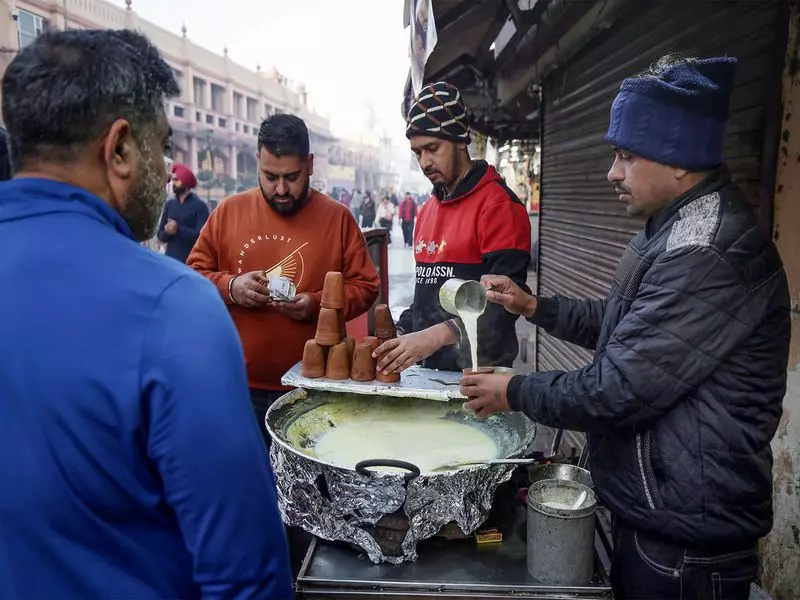
The Indian dairy industry is navigating a period of significant strain, with a tightening supply of milk struggling to keep pace with robust and growing demand. A recent analysis of the sector highlights a looming challenge that could impact prices and availability for consumers in the coming years.
Supply-Demand Imbalance Intensifies
According to a detailed report, the domestic dairy market is experiencing a pronounced tightness in milk supply. This situation is unfolding even as demand for dairy products continues to strengthen across the country. The core issue stems from a production cycle that is not expanding rapidly enough to match the accelerating consumption patterns of a growing population with increasing disposable income.
The report points to several contributing factors constraining supply. Key among them are the persistent challenges faced by dairy farmers, including rising feed costs for cattle, which squeeze profit margins and limit their capacity to invest in and expand their herds. Climatic variations and animal health issues also play a role in affecting yield per animal, making the production pipeline less predictable.

Projected Challenges on the Road to 2026
The analysis suggests that this supply-demand gap is not a short-term blip but a structural issue that requires attention. As the nation moves towards 2026, the pressures on the sector are expected to intensify. Demand is projected to grow steadily, driven by both traditional consumption in liquid milk form and the expanding market for value-added products like cheese, yogurt, and dairy-based sweets.
This scenario sets the stage for potential upward pressure on retail milk prices. If production does not see a substantial boost, consumers may have to pay more for their daily dairy needs. The industry, encompassing major cooperatives like Amul and private players, faces the critical task of bridging this gap through improved productivity and supply chain efficiencies.
Industry and Policy Implications
The findings of the report serve as a crucial alert for stakeholders across the dairy value chain. For dairy cooperatives and private companies, the situation underscores the need for strategic investments in enhancing milk production. This could involve initiatives like better cattle breed improvement programs, wider adoption of scientific feeding practices, and stronger support systems for farmers to improve animal health and yield.
From a policy perspective, the report highlights areas where government intervention could help stabilize the sector. Potential measures include ensuring the availability and affordability of cattle feed, promoting dairy farming as a viable and profitable enterprise, and investing in cold chain infrastructure to reduce wastage from farm to market.
The Indian dairy sector, one of the largest in the world, stands at a crossroads. Navigating the tight supply conditions while meeting the nation's growing appetite for dairy will require coordinated efforts from farmers, industry leaders, and policymakers alike to ensure the long-term health and sustainability of this vital agricultural segment.