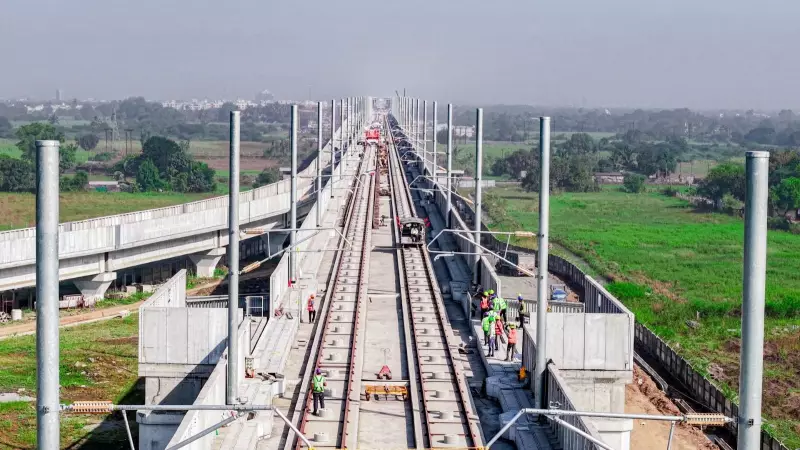
The Mumbai-Ahmedabad bullet train project takes a significant step forward as electrification work begins. This marks a crucial phase in India's first high-speed rail initiative.
Electrification Progress Signals Major Advancement
Workers are now installing electrification systems along the 508-kilometer route. This development brings the project closer to operational readiness. The National High-Speed Rail Corporation Limited oversees these critical infrastructure activities.
Twelve Stations Along the Corridor
The bullet train will stop at twelve carefully selected stations. Passengers can board at Mumbai, Thane, and Virar in Maharashtra. The route continues through Boisar, Vapi, and Billimora.

In Gujarat, stations include Surat, Bharuch, and Vadodara. The final stops are Anand, Ahmedabad, and Sabarmati. This comprehensive network connects major economic and cultural centers.
Project Significance for Indian Transportation
This project represents India's entry into high-speed rail technology. The bullet train will dramatically reduce travel time between Mumbai and Ahmedabad. Commuters can expect the journey to take approximately three hours.
Infrastructure Development Timeline
Construction teams have been working on various project components simultaneously. Electrification constitutes one of the final major phases before testing begins. Railway officials monitor progress closely to maintain schedule targets.
The project incorporates advanced Japanese Shinkansen technology. Engineers are adapting this proven system to Indian conditions and requirements.
Economic and Connectivity Benefits
The bullet train promises substantial economic advantages for both states. Improved connectivity will boost business travel and tourism opportunities. Regional development along the corridor should accelerate significantly.
This infrastructure project also creates numerous employment opportunities. Skilled workers receive training in advanced rail technologies during construction.
Future Implications for Indian Railways
Successful completion of this project could pave the way for additional high-speed corridors. The Mumbai-Ahmedabad line serves as a demonstration project for future expansion. Railway authorities gather valuable experience managing such complex infrastructure initiatives.
Passengers eagerly anticipate the convenience and speed this service will provide. The bullet train represents a transformative development in Indian transportation history.