

India's PNGRB Launches Bidding for Major LPG Pipeline Network to Phase Out Road Transport
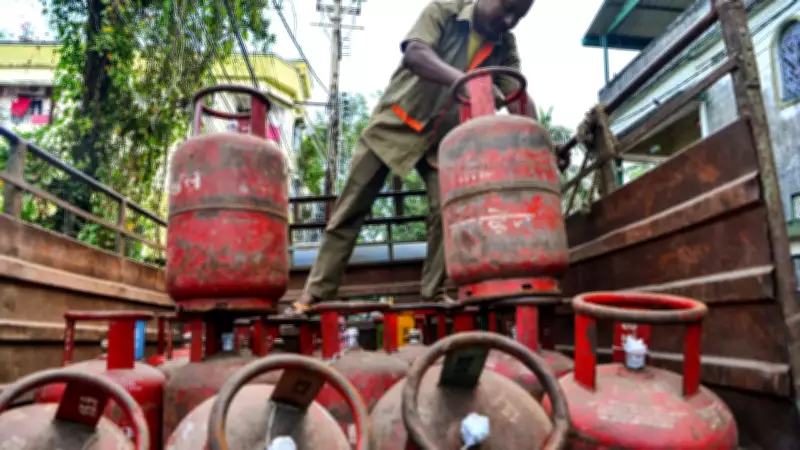
The Petroleum and Natural Gas Regulatory Board (PNGRB) has taken a decisive step toward transforming India's liquefied petroleum gas (LPG) distribution system. In a significant move aimed at eliminating bulk transportation of LPG via roads by 2030, the regulator has officially initiated the bidding process for new pipeline infrastructure that will connect refineries, import terminals, and bottling plants across the country.
Strategic Pipeline Network to Enhance Supply Security
On Friday, the PNGRB announced that the proposed pipelines are specifically designed to link crucial supply sources—including refineries and import terminals—with LPG bottling plants. This strategic infrastructure is intended to ensure seamless evacuation and efficient distribution across various regions. Beyond mere transportation, these pipelines will serve a dual purpose by acting as storage facilities during periods of high demand, thereby addressing long-standing supply security concerns in the nation.
Nine Pipeline Projects Identified with Four Already in Bidding Phase
The regulator has identified a total of nine LPG pipeline projects under this ambitious initiative. Currently, the PNGRB has initiated bids on a suo motu basis and is actively concluding bid proposals for four key pipelines:

- Cherlapally-Nagpur Pipeline
- Shikrapur-Hubli-Goa Pipeline
- Paradip-Raipur Pipeline
- Jhansi-Sitarganj Pipeline
The cumulative length of this proposed pipeline network will be approximately 2,500 kilometers, covering vital regions nationwide. This expansion represents a substantial scale-up from India's current LPG pipeline network, which spans just over 8,000 kilometers.
Massive Investment and Environmental Benefits
The project is estimated to require an investment of around Rs 12,500 crore. Beyond the financial aspect, the modal shift from road tankers to pipelines promises multiple advantages. It will significantly reduce risks associated with tanker movement, ensuring safer and more dependable LPG delivery. Moreover, the PNGRB emphasized that this initiative will play a crucial role in India's climate goals by substantially cutting greenhouse gas emissions through the replacement of fuel transportation via tankers with a more efficient pipeline system.
Operational Efficiency and Economic Advantages
The new pipeline infrastructure is expected to enable seamless, high-volume LPG movement with reduced transit times and minimal losses. This transition will improve both safety and efficiency within the supply chain while proving more economical compared to other transportation modes. By streamlining operations and enhancing reliability, the project aligns with broader national objectives for energy security and sustainable development.






