India is charting a critical course to secure its future in the global race for rare earth elements. According to an opinion piece by Roopa Kudva, the nation must simultaneously walk two distinct but complementary paths to build a resilient and diversified supply chain for these vital minerals. This strategic move comes at a time when global demand for rare earths is projected to grow exponentially, driven by the green energy transition and digital technology.
The Twin Pillars of India's Strategy
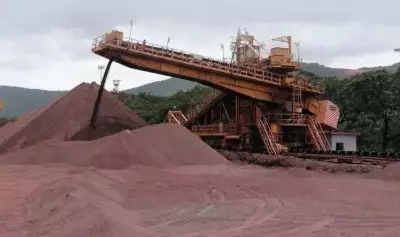
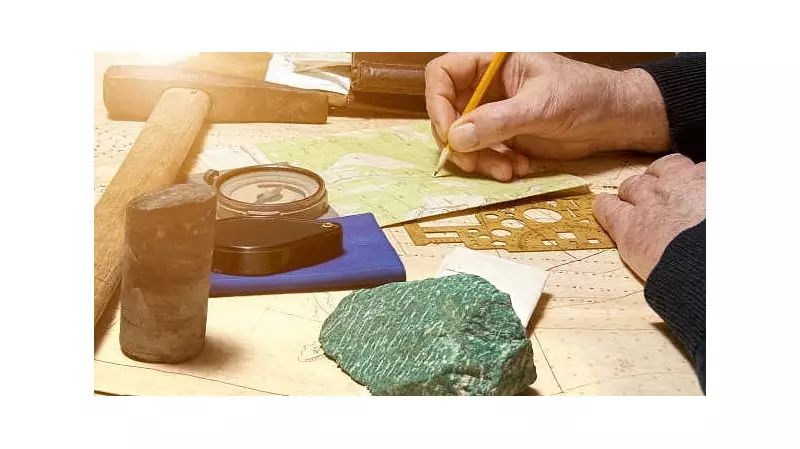
The first path involves strengthening the domestic mining and processing capabilities for rare earth minerals. This means investing in exploration, developing advanced extraction technologies, and building large-scale processing facilities within the country. The goal is to reduce dependence on imports and harness India's own geological potential. The second, equally crucial path focuses on creating a circular economy for rare earths. This entails establishing robust systems for recycling these elements from end-of-life products like electronic waste, permanent magnets, and batteries. Together, these two approaches offer India a credible opportunity to construct a future-ready rare earth strategy that can withstand global supply shocks and market volatility.
Why This Dual Approach is Non-Negotiable
Rare earth elements are the backbone of modern technologies, essential for manufacturing everything from smartphones and electric vehicles to wind turbines and defense equipment. Currently, the global supply is heavily concentrated, making supply chains vulnerable. By pursuing both domestic production and recycling, India can create a more secure and sustainable pipeline. Roopa Kudva's analysis, published on December 15, 2025, underscores the urgency of this mission. Relying on a single source or method would leave the nation exposed to geopolitical risks and price fluctuations.

Building a Resilient and Diversified Future
The combined strategy does more than just secure supply; it positions India as a potential global player in the critical minerals market. A diversified approach mitigates environmental impact compared to solely relying on new mining. It also fosters innovation in material science and waste management. For India to truly achieve Atmanirbharta (self-reliance) in advanced manufacturing and clean energy, a secure, domestic supply of processed rare earth elements is indispensable. The time to act is now, as the window for establishing a foothold in this strategic sector is narrowing.
In conclusion, India's proposed two-path strategy is a pragmatic and comprehensive blueprint for rare earth security. By walking both paths—boosting primary production and pioneering recycling ecosystems—the nation can build the resilience needed to power its economic and technological ambitions in the coming decades.