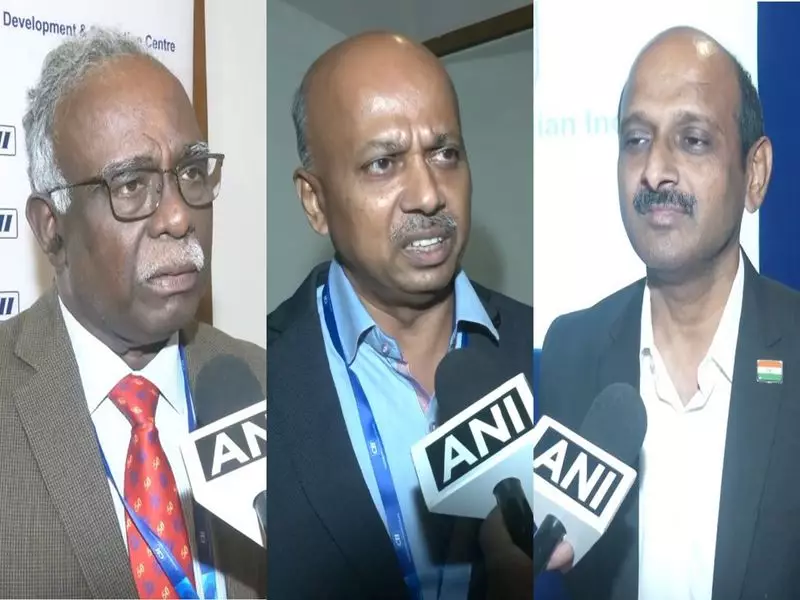
Prominent industry leaders in India are making a compelling case for enhanced collaboration between public and private sectors to develop a robust rare earth ecosystem within the country. This strategic push aims to reduce India's dependence on imports and secure its position in the global supply chain for these critical minerals.
The Critical Need for Rare Earth Self-Reliance
During a recent conference organized by the Indian Chamber of Commerce, industry experts emphasized the urgent necessity for India to establish a self-sufficient rare earth value chain. Rare earth elements are crucial components in numerous high-tech applications, including electric vehicles, wind turbines, smartphones, and defense equipment. Currently, China dominates the global rare earth market, controlling approximately 60% of mining and 85% of processing capacity worldwide.
This concentration of supply creates significant strategic vulnerabilities for countries like India that rely heavily on imports. The recent geopolitical tensions and supply chain disruptions have highlighted the risks of depending on a single source for these essential materials. Industry leaders argue that developing domestic capabilities is not just an economic imperative but a national security requirement.

Proposed Framework for Collaboration
The industry representatives proposed a comprehensive framework for public-private partnership that would leverage the strengths of both sectors. This collaborative model would involve government research institutions, private mining companies, processing facilities, and manufacturing industries working in coordination to create an integrated ecosystem.
Key recommendations include establishing specialized rare earth parks with shared infrastructure, creating technology transfer mechanisms between research organizations and industry players, and developing standardized protocols for environmental management. The proposed approach would also involve setting up common facilities for testing, certification, and research that would benefit all stakeholders in the value chain.
Industry leaders specifically highlighted the need for policy support in areas such as streamlined regulatory approvals, fiscal incentives for investment in processing technologies, and long-term offtake agreements to ensure market stability. They emphasized that such measures would encourage private sector participation and accelerate the development of domestic capabilities.
Strategic Implications and Economic Benefits
Developing a self-reliant rare earth ecosystem carries profound implications for India's economic future and technological sovereignty. A successful domestic rare earth industry could significantly reduce India's import bill while creating numerous high-skilled employment opportunities across the mining, processing, and manufacturing sectors.
The establishment of a complete value chain would also position India as an alternative supplier in the global market, particularly for countries seeking to diversify their sources away from China. This could open up significant export opportunities and enhance India's strategic importance in international trade relationships.
Furthermore, access to reliable domestic supplies of rare earth elements would strengthen India's position in emerging industries such as renewable energy and electric mobility. It would provide a competitive advantage to Indian manufacturers in these sectors by ensuring stable input costs and supply security, ultimately contributing to the success of initiatives like Make in India and Atmanirbhar Bharat.
Industry leaders concluded that the time for decisive action is now, as the global race for critical minerals intensifies. They called for immediate implementation of the proposed collaborative framework to ensure India doesn't miss this strategic opportunity to secure its economic and technological future.