

Jharkhand Experiences Significant Uptick in Piped Natural Gas Adoption
The Central government's initiative to accelerate piped gas infrastructure development across India is beginning to show tangible results in Jharkhand, where demand for piped natural gas (PNG) has surged recently. This shift comes amid ongoing LPG supply disruptions caused by the West Asia conflict, prompting consumers to seek more reliable alternatives.
Government Directives and Market Response
The Ministry of Petroleum and Natural Gas recently issued advisories urging citizens to avoid panic buying of LPG cylinders. In a parallel development, the Petroleum and Natural Gas Regulatory Board (PNGRB) has instructed city gas distribution companies to expedite PNG connections. These companies must now provide connections within five days to educational institutions, hostels, and community kitchens located near existing pipelines.
Although PNG was introduced in Jharkhand back in 2018, adoption remained sluggish due to limited public awareness and inconsistent infrastructure. However, current trends indicate a reversal. From major urban centers like Ranchi and Jamshedpur to smaller districts including Koderma, both residential and commercial users are increasingly exploring piped gas as a dependable and economical option.

"We have observed a noticeable increase in enquiries over recent weeks," stated Prashant Singh, state coordinator for PNG operations. "PNG provides uninterrupted supply, eliminates dependency on cylinders, and offers enhanced safety. Recent uncertainties have motivated people to actively consider switching to PNG."
Infrastructure Development Meets Growing Demand
In Ranchi, where over 750 kilometers of pipeline have been installed, demand is finally aligning with the available infrastructure. Operated by GAIL (India) Ltd, this network is supported by district regulating stations at Mecon, Tatisilway, Sarwal, and Ashok Nagar. Expansion projects are currently underway in areas such as Lalpur, Kokar, Namkum, and Chutia.
Officials have announced plans to lay an additional 150 kilometers of pipeline next year, aiming to connect more than 40,000 new households. Approximately 110 new commercial PNG connections have been issued recently, reflecting growing business interest.
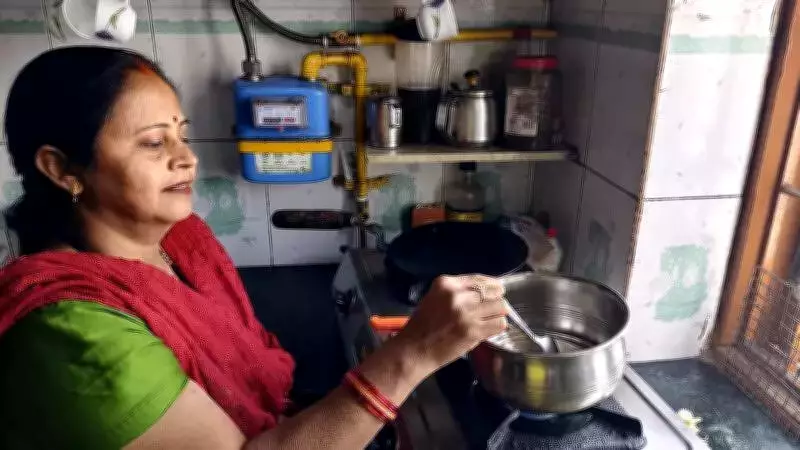
"There is no longer any stress about booking cylinders or waiting for deliveries," explained Meenal, a resident of Ashok Nagar. "Gas is accessible at any time. Billing is based on actual consumption, making it more cost-effective. It also feels considerably safer compared to traditional LPG cylinders."
Renu Singh, a Bariatu resident who has used PNG for two years, shared similar sentiments. "It is highly economical and reliable, with no connection issues. For my small family, PNG has streamlined cooking, making it efficient and hassle-free while eliminating the need for LPG cylinders."
Jamshedpur Leads in PNG Adoption
The trend is particularly evident in Jamshedpur, which has emerged as a frontrunner in PNG adoption. The city has reached 9,000 household connections, with around 5,000 active users as of February. Remarkably, nearly 600 consumers activated their connections in just the first twenty days of March.
"Enquiries have risen by approximately 20% compared to the pre-crisis period, with 12 to 14 enquiries converting into applications daily," noted Gauri Shankar Mishra, general manager at GAIL Jamshedpur. He highlighted strong demand in areas including Kadma, Sonari, Bistupur, and Telco.
"Monthly expenses are about 30% lower than LPG, and we only pay for what we actually use," said Savita Sonthalia, a resident of Sonari.
Expansion Across Smaller Districts
A similar transition, though on a smaller scale, is visible in districts like Koderma. Projects led by Indian Oil Corporation Ltd have established a basic supply network, with gas routed from the city gate station in Chatra to local distribution points.
"The logistical framework is now prepared to accommodate rising demand," explained Dinesh Kumar, junior executive engineer at IOCL. "We are witnessing a steady increase in applications as awareness continues to improve."

Advantages Driving the Switch to PNG
The growing preference for PNG is driven by a combination of economic, practical, and safety benefits. Unlike LPG, it is supplied continuously through underground pipelines, eliminating the need for cylinder storage and refilling.
For commercial users, uninterrupted supply is crucial. "You cannot halt operations during peak hours. PNG provides that essential reliability," commented a restaurant operator on Main Road in Ranchi.
Natural gas is also recognized as a cleaner fuel compared to LPG, petrol, or diesel. "Natural gas substantially reduces particulate emissions and carbon footprint relative to conventional fuels," stated Nitish Priyadarshi, a geologist at Ranchi University. "Expanding PNG and CNG networks represents a practical step toward enhancing urban air quality and addressing climate concerns."
The CNG network is expanding steadily across Jharkhand as well. Ranchi currently operates around 28 CNG stations, with 10 more planned for next year, while Jamshedpur has approximately 15 stations.





