Karnataka Drafts New Tourism Policy for Coastal and Malnad Regions
Karnataka is set to give a major push to adventure, beach, and cruise tourism with the drafting of a new Coastal-Malnad policy. The initiative was discussed during a meeting chaired by Karnataka's Tourism Minister, KJ George, on Thursday evening with senior officials to review progress and outline long-term strategies.
Focus on Positioning Karnataka as a Leading Destination
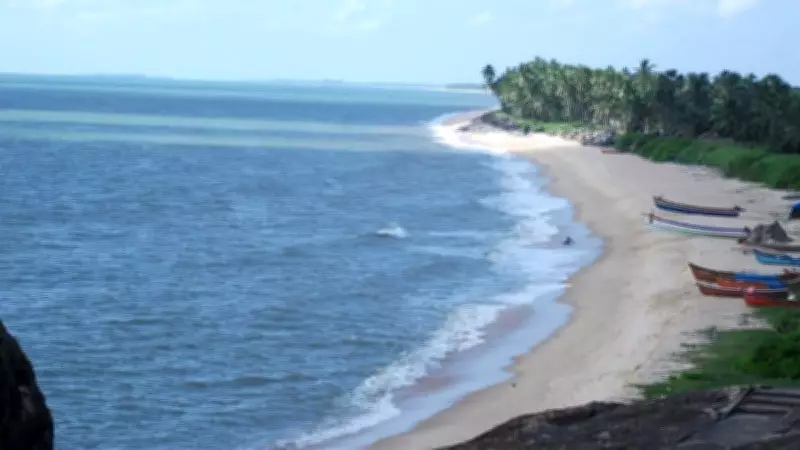
The policy aims to position Karnataka as one of India's leading tourism destinations by leveraging its diverse geography, including the pristine coastline and the lush Malnad region. According to Minister George, the plan includes developing infrastructure for adventure sports, promoting beach tourism, and introducing cruise services along the coast.
The meeting emphasized the need for sustainable tourism practices to ensure environmental conservation while boosting local economies. Officials discussed potential public-private partnerships to accelerate project implementation.

Key Initiatives Under the Policy
Specific initiatives include setting up water sports facilities, improving beach access and amenities, and developing cruise terminals at strategic locations. The policy also aims to promote eco-tourism in the Malnad region through trekking trails, wildlife safaris, and homestays. Minister George stated, "This policy will unlock the immense potential of our coastal and hill regions, creating jobs and attracting both domestic and international tourists."
Expected Impact on Tourism and Economy
The policy is expected to significantly increase tourist footfall, with projections of a 20% rise in arrivals over the next three years. It will also create thousands of direct and indirect employment opportunities in hospitality, transport, and local crafts. The government plans to allocate a dedicated budget for marketing campaigns to promote Karnataka as a year-round destination.
Stakeholders from the tourism industry have welcomed the move, highlighting the need for improved connectivity and safety measures. The policy is anticipated to be finalized within six months, with implementation beginning in the next fiscal year.