

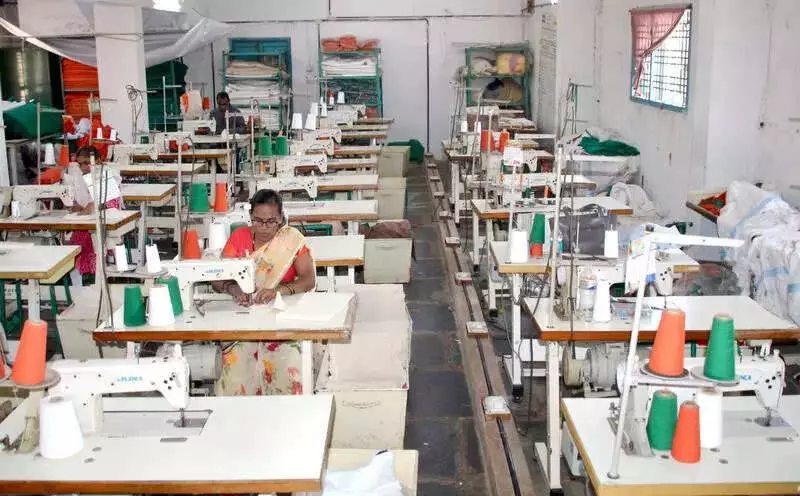
In a concerning development for a historic institution, the Karnataka Khadi Gramodyog Samyukta Sangha (KKGSS) in Hubballi, the nation's sole certified manufacturer of national flags, finds itself in a dire situation. With the 77th Republic Day celebrations in January 2026 approaching, the centre has not received a single bulk order, casting a shadow over its future and the livelihoods of its artisans.
A Silent Workshop Ahead of a National Celebration
Typically, the Bengeri-based centre would be bustling with activity by early December, as government and institutional orders for the January 26 festivities start pouring in. However, this year, the workshop remains unusually quiet. Despite being nearly 15 days into December, not one order has been placed. In anticipation of demand, the centre has already produced and stocked an inventory of flags in various sizes, valued at over Rs 2 crore, which now sits unused.
The current crisis is not an isolated incident. The centre witnessed its poorest sales during the recent Independence Day period, recording revenues of just Rs 54 lakh. This figure is a stark contrast to the Rs 2.5 crore it earned in previous years, highlighting a severe and sustained downturn.

The Root Cause: The 2022 Flag Code Amendment
Officials point directly to a policy change as the primary reason for this slump. The amendment to the Flag Code of India, introduced during the 'Azadi ka Amrit Mahotsav' in 2022 to promote the 'Har Ghar Tiranga' campaign, allowed the hoisting of national flags made of polyester and other machine-made fabrics.
"The relaxation in the National Flag Code to hoist flags made of polyester material has had a larger impact on the khadi-made national flags," explained Shivanand Mathapati, Secretary of KKGSS. He revealed that the KKGSS and other khadi organisations have repeatedly petitioned the Union government to reconsider the amended code, but their pleas have yielded no result so far.
Impact on Artisans and Daily Operations
The human cost of this policy shift is becoming increasingly evident. Annapurna Doddamani, the manager at the centre, described the grim reality on the ground. "Every day, 25 to 30 employees used to prepare the national flags, but now the situation has become worse," she said.
To prevent layoffs and keep the skilled workforce engaged, the management has been forced to redirect their efforts. Artisans who once stitched the tricolour are now making bags and other items. Doddamani warned, "If the situation continues, it will be difficult for artisans to survive."
This situation underscores the broader challenges traditional manufacturing centres face when adapting to sudden changes in national policy and market behaviour. While the intent behind the 'Har Ghar Tiranga' movement was to foster national pride, its unintended consequence has been to jeopardise the very institution that produces flags to the highest Bureau of Indian Standards (BIS) specifications.
As the country prepares to celebrate its 77th Republic Day, the fate of its only certified national flag manufacturing unit hangs in the balance. The centre clings to hope for a last-minute surge in orders, but the ongoing silence serves as a potent reminder of the need for supportive policies that protect heritage industries and the skilled hands that sustain them.






