

Uttarakhand's Kausani Tea Makes Strong Market Debut with Direct Sales Initiative
In a significant development for Uttarakhand's tea industry, the Bageshwar district administration has successfully launched direct sales of premium Kausani tea in local markets for the first time. The initiative, which began on April 15, has already resulted in the sale of approximately 400 kilograms of tea within just one week, with an additional order for 200 kilograms currently in the pipeline.
Bageshwar's Dominant Role in State Tea Production
Bageshwar district plays a crucial role in Uttarakhand's tea sector, contributing nearly 60% of the state's total tea output. The district contains approximately 30% of Uttarakhand's tea cultivation area, making it a vital hub for tea production. Annually, between 80,000 to 85,000 kilograms of tea from the region is traditionally sent to Kolkata for processing and distribution, while tea worth around Rs 5 lakh is sold directly to tourists visiting Kausani.
Direct Marketing Strategy to Boost Local Economy
Promod Kumar, manager of the Uttarakhand Tea Development Board (UTDB) in Kausani, emphasized the benefits of selling tea at the factory level. "This direct marketing approach will significantly benefit our tea sector by substantially reducing transportation costs and associated expenses," Kumar explained. "By cutting out middlemen and streamlining the supply chain, we can ensure better returns for producers while offering competitive prices to consumers."

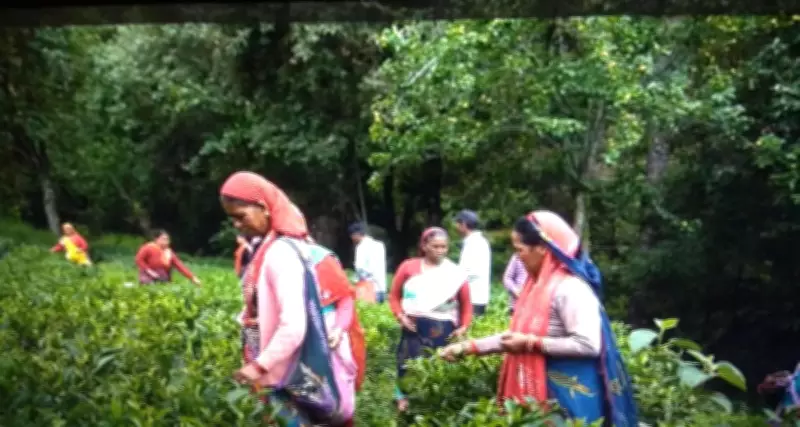
Project manager Arif Khan provided details about the initiative's structure, noting that the tea is sourced from two factories operating under UTDB supervision. "The tea is carefully processed and marketed through 60 women-led self-help groups," Khan stated. "Our primary buyers include tourists, local consumers, and urban markets in major cities such as Delhi and Lucknow."
Empowering Women Through Tea Marketing
District magistrate Akanksha Konde highlighted the project's dual objectives of professionalizing tea marketing while creating sustainable income opportunities. "This initiative was specifically designed to professionalize tea marketing while ensuring direct income generation for women involved in self-help groups," Konde affirmed. The operations are managed through the Cluster Level Federation (CLF), which coordinates activities under this groundbreaking initiative.
Challenges and Opportunities in Uttarakhand's Tea Sector
Industry observers acknowledge that Uttarakhand's tea sector possesses strong potential due to favorable climatic conditions that are ideal for tea cultivation. However, several challenges persist that hinder the industry's full development:
- Many existing tea gardens remain underutilized or completely unused
- Farmers show limited interest in tea cultivation due to perceived low profitability
- The sector requires stronger policy support and better market linkages
- Improved branding and marketing strategies are needed to compete effectively
Experts suggest that with appropriate interventions, Uttarakhand's tea industry could transform into a viable source of employment and sustainable income for local communities. The current direct marketing initiative represents an important step toward realizing this potential by creating more efficient supply chains and empowering local producers, particularly women in self-help groups who are now actively involved in the tea marketing process.






