Khadi Flag Sales Crash After Government Allows Polyester Alternatives
Sales of Khadi national flags have taken a severe hit following a central government decision. The government amended the Flag Code of India 2002 to permit the sale of polyester tricolour flags. This move has directly impacted the traditional Khadi flag industry.
Santosh Nagaragund, the coordinator for the khadi national flag promotion campaign, revealed the troubling situation on Monday. He spoke at a press conference held in Hubballi. Nagaragund stated that the demand for authentic Khadi flags has fallen sharply since the rule change.
Mounting Unsold Stock and a Plea for Support
The Karnataka Khadi Gramodyoga Samyukta Sangh (KKGSS) in Hubballi now holds a massive amount of unsold inventory. National flags worth a staggering Rs 2 crore remain without buyers. This stockpile highlights the immediate economic consequence of the policy shift.

In response, the khadi promotion campaign launched with a clear three-part mission. First, it aims to educate the public about the Bureau of Indian Standards (BIS)-certified Khadi national flag. Second, the campaign will actively encourage people to purchase these hand-spun flags. Third, it plans to use e-commerce platforms to supply Khadi flags across India and globally.
Campaign Demands Government Action
Nagaragund presented several urgent demands to the government during the conference. The primary request is for the government to withdraw the permission granted for machine-made polyester flags. This amendment is part of Section 1.2 of the Indian Flag Code.
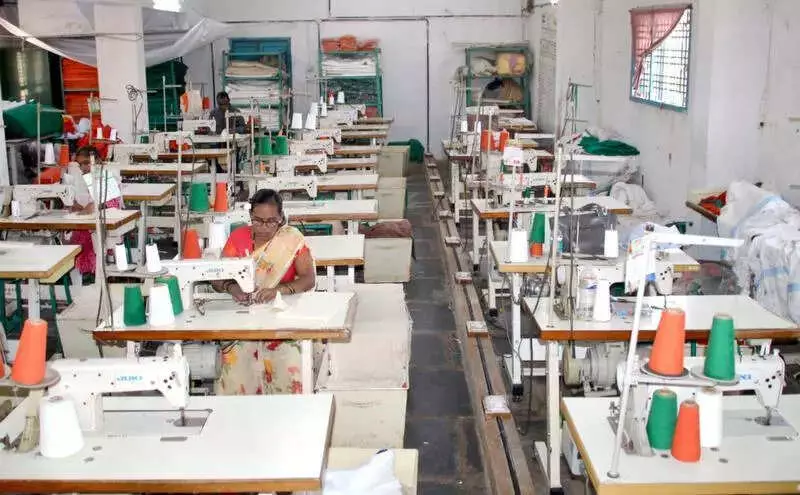
The campaign also calls for a formal order mandating the use of Khadi national flags in all offices. This would apply to government buildings, private organizations, schools, and colleges nationwide. Furthermore, Nagaragund appealed for the modernization of Khadi flag manufacturing units. He suggested these units should be promoted as national shrines of importance.
A critical financial issue was also raised. Weavers who dedicate their craft to making national flags are reportedly owed Rs 130 crore. This money is due in Market Development Assistance (MDA) and various incentives from the state government. The campaign demands the immediate release of these funds to support the struggling artisans.
Broader Cultural and Economic Initiatives Proposed
Looking beyond flags, the campaign proposes wider measures to support the Khadi sector. One suggestion is to make it mandatory for government employees and students to wear Khadi clothing one day each week. This simple act could significantly boost the industry.
Nagaragund also made a public appeal. He urged people's representatives and elected officials to actively join and support this national campaign. Their involvement could bring greater visibility and legitimacy to the cause of preserving Khadi.
The press conference saw the presence of several supporters. Shyam Naragund, Lingaraj Dharwad Shettar, Anita Kadagal, KV Pattar, Ramesh, and Shivananda Mathapati all attended the event in Hubballi. Their collective presence underscored the local and community concern over the future of Khadi flag production.