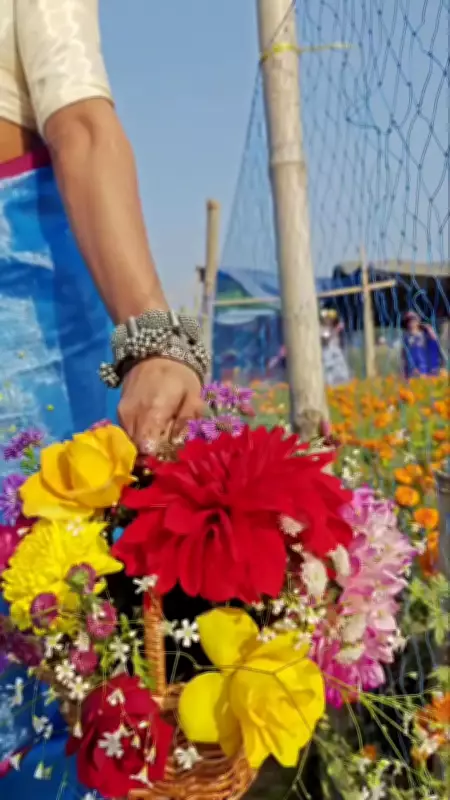
In a remarkable agricultural transformation, the region of Khirai in West Bengal is blossoming into what locals and enthusiasts are calling Bengal's very own Flower Valley. This picturesque area is witnessing a floral revolution, with farmers and horticulturists cultivating a diverse array of blooms that are painting the landscape in vibrant hues.
The Floral Diversity of Khirai
From the radiant golden marigolds to the elegant chrysanthemums and the stunning dahlias, Khirai is becoming a hub for flower cultivation. These species are not only adding aesthetic beauty to the region but are also driving economic growth through local markets and potential export opportunities. The climate and soil conditions in this part of Bengal have proven ideal for nurturing these flowers, leading to high-quality yields that are gaining recognition.
Economic and Cultural Impact
The emergence of Khirai as a flower valley is having a significant impact on the local economy. Farmers are diversifying their crops, moving beyond traditional agriculture to embrace floriculture, which offers better returns and sustainable practices. This shift is creating new employment opportunities and boosting rural development in West Bengal.

Moreover, the cultural significance of flowers in Bengali traditions is being revitalized through this initiative. Flowers play a crucial role in festivals, weddings, and daily rituals in Bengal, and the local production in Khirai ensures a steady supply, reducing dependency on imports from other states.
Future Prospects and Sustainability
Looking ahead, experts believe that Khirai has the potential to become a major floral destination in Eastern India. With proper infrastructure support, such as cold storage facilities and transportation networks, the flower valley could expand its reach to national and international markets. Sustainable farming practices are being encouraged to maintain soil health and biodiversity, ensuring long-term viability.
Initiatives are underway to promote agri-tourism in Khirai, attracting visitors who wish to experience the beauty of the flower fields firsthand. This could further enhance the region's profile and contribute to the overall growth of West Bengal's agricultural sector.
In summary, Khirai's transformation into Bengal's Flower Valley is a testament to the resilience and innovation of its people. By harnessing natural resources and embracing new agricultural techniques, this region is setting an example for rural development and floral excellence in India.