The Bombay High Court has firmly upheld the democratic right to peaceful protest, ruling that dissent cannot be criminalized or used to justify severe restrictions such as externment from one's city. The judgment, delivered by Justice Madhav J Jamdar, set aside a Mumbai Police order that barred a political activist from entering Mumbai for one year and imposed an externment order based on FIRs related to protests against the BJP-led central government.
Court Rejects Police Action as Disproportionate
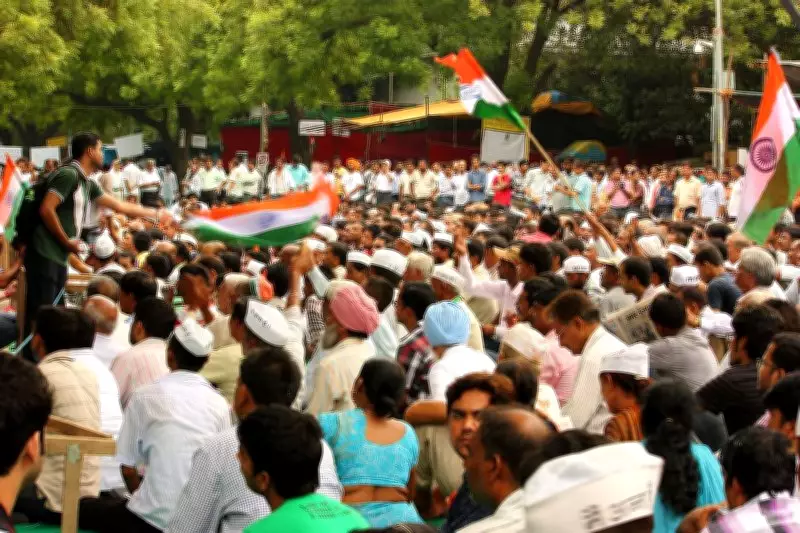
Justice Jamdar observed that the FIRs against the petitioner primarily alleged violations of prohibitory orders during protests, which are punishable under minor legal provisions. Such allegations, the court held, do not constitute a credible threat to public order justifying the drastic step of banishing a citizen from his home city. The judge emphasized that peaceful protest is a form of expression protected under Article 19 of the Constitution and cannot be equated with criminal activity.
Citizens Are Not Slaves of the Government
In a striking remark, Justice Jamdar stated that “citizens cannot be made slaves of the government,” underscoring that the police are public servants, not servants of political leaders. The court also noted, in a lighter vein, that the activist might consider switching parties to get FIRs quashed through the government’s “washing machine,” a pointed reference to the practice of using political defections to escape legal consequences.

Broader Implications for Democratic Freedoms
The ruling serves as a timely reminder that dissent is a cornerstone of Indian democracy. The high court’s decision is expected to have reverberations beyond Maharashtra, reinforcing that fundamental rights cannot be curtailed without credible evidence of violence or imminent danger. Legal experts have hailed the judgment as a strong reaffirmation of the rule of law and the constitutional guarantee of freedom of speech and expression.
Context of the Case
The petitioner, a political activist, had been served an externment order by the Mumbai Police following multiple FIRs lodged in connection with protests against the central government’s policies. The activist challenged the order, arguing that it violated his fundamental rights. The Bombay High Court agreed, noting that the police had failed to demonstrate any concrete threat to public order arising from the protests.
According to the court, the mere filing of FIRs for minor offenses cannot justify the severe restriction of banning a person from his city for a full year. The judgment reiterates the principle that the right to protest is integral to a functioning democracy and that the state must exercise its powers with restraint.