

Kolkata Auto-Rickshaw Drivers Grapple with Severe Fuel Rationing Measures
Auto-rickshaw drivers in Kolkata are confronting fresh operational challenges as oil marketing companies have implemented strict rationing of auto LPG across dispensing stations. The new restrictions, which began on Saturday, cap refueling at just 10 litres per vehicle, significantly below the standard 20-litre tank capacity of most autos.
Immediate Impact on Drivers and Commuters
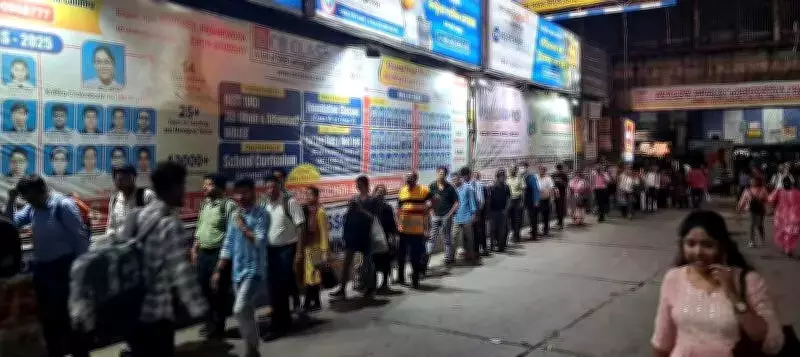
The rationing follows a steep price hike and an unprecedented five-fold surge in demand over the past week. At several outlets, supply shortages have already begun to affect daily operations. "Our station currently does not have any stock. But once supply arrives, each auto will be given only 10 litres at a time," explained the owner of an LPG dispensing station on Prince Anwar Shah Road.
Auto drivers expressed frustration with the new limitations. "Ten litres is not enough if we have to make multiple trips or run longer hours," said Abdul Rahman, an auto operator on the Garia-Tollygunge route. "We now have to stand in line twice a day, which means loss of time and income."

Passengers are beginning to feel the ripple effects of the fuel crisis. "It's getting harder to find autos during peak hours," noted Anirban Modak, a commuter in Salt Lake. "Drivers are either waiting in fuel queues or limiting trips to save gas. Fares may go up next."
Official Rationale Behind the Rationing Decision
Officials from oil marketing companies defended the rationing as a necessary measure to stabilize supply and reduce excessive queues at fuel stations. "We have observed that most autos were refuelling up to 20 litres almost every day, which is their full tank capacity," an OMC representative stated. "This significantly increased both consumption and turnaround time at stations."
The official further explained, "Given that most autos in the city operate within 160-170 km daily, a 10-litre cap is sufficient based on average mileage of 16-17 km per litre."
Unprecedented Demand Surge and Underlying Causes
Data from Indian Oil Corporation and Hindustan Petroleum Corporation Ltd reveals the dramatic scale of the demand increase. These companies, which jointly operate approximately 20 auto-LPG stations in and around Kolkata, reported daily sales spiking to 47.6 tonnes on March 16 and 47.5 tonnes on March 17. This represents a sharp rise from the January-February daily average of just 10.4 tonnes.
Industry sources attribute this sudden spike to a crackdown on the illegal "kaata gas" network, which involved pilfered LPG from domestic cylinders that many auto drivers previously relied upon. With commercial LPG supplies tightening amid a broader energy crisis, diverted domestic gas is being redirected to commercial cylinders and sold at premium prices, forcing drivers back to authorized auto-LPG pumps.
Temporary Measure with Ongoing Discussions
Oil marketing companies emphasized that discussions are ongoing with dealers and auto unions to manage the evolving situation. "This is a temporary measure to ensure equitable distribution," the official added, suggesting that the rationing might be adjusted as supply conditions improve.
The fuel restrictions come at a particularly challenging time for Kolkata's transportation sector, with auto-rickshaws serving as a crucial mode of transit for millions of daily commuters. The combination of reduced fuel availability, increased operational difficulties for drivers, and potential fare increases creates a complex scenario that requires careful monitoring and responsive policy adjustments.






