

Kolkata's Social Clubs Embrace Hybrid Cooking Solutions After LPG Supply Disruption
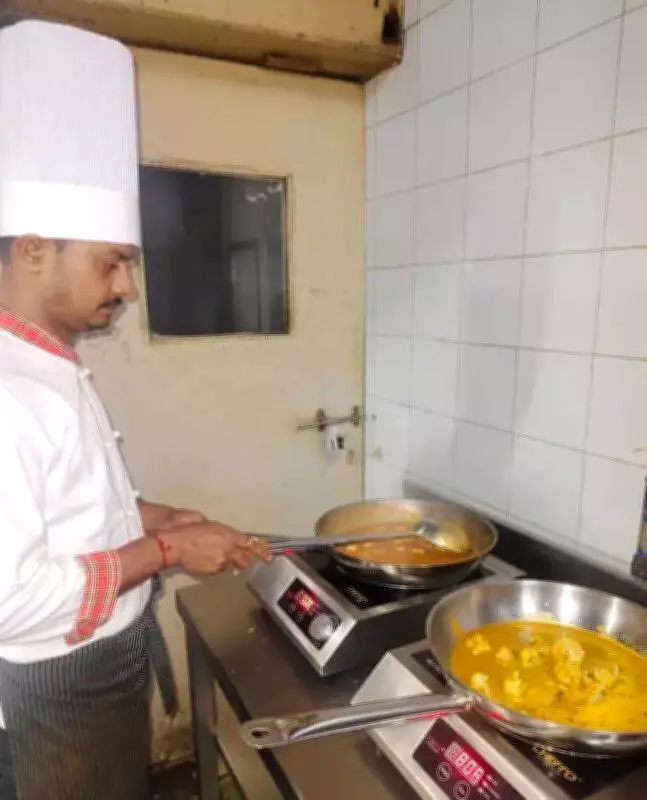
In the wake of the COVID-19 pandemic, Kolkata's social clubs—both historic institutions and modern establishments—faced another significant challenge: a severe shortage of commercial LPG. This crisis has prompted a fundamental shift in how these clubs manage their kitchen operations, with many now opting to maintain parallel electronic cooking systems alongside traditional gas-based methods as a safeguard for the future.
A Strategic Shift Towards Dual-System Kitchens
The supply of commercial LPG has shown improvement in recent days, but the experience of scarcity has left a lasting impact. Clubs across the city are now strategically blending electronic appliances with LPG in their culinary workflows. This hybrid approach is not merely a temporary fix but is being institutionalized as a long-term operational strategy.
Kasturi Raha, President of the prestigious Calcutta Club, highlighted this transition. "Chinese cuisine and several other dishes are now primarily prepared using induction cooktops," she explained. This shift has naturally led to a reduction in tandoor-based items. "While gas supply to our club kitchen has stabilized, we are consciously maintaining a mix of gas and induction cooking. For instance, continental dishes are increasingly oven-based," Raha added, underscoring the adaptation in cooking techniques.

Industry Leaders Report a 50-50 Cooking Split
The move towards electronic cooking is widespread. V Ganapathy, CEO of Tolly Club, described the current setup as a "mixed bag." He noted, "Electronic-based equipment now accounts for at least 50% of our cooking processes. What the future holds will become clearer with time, but this balance is our present reality."
Echoing this sentiment, Chandan Roychowdhury, Secretary of Calcutta Rowing Club, confirmed an equal division. "For our club, it's a 50:50 split between LPG and electronic mediums for cooking," he stated. "The LPG crisis has eased compared to its peak, but we are committed to retaining our electronic cooking infrastructure as a reliable backup."
Operational Adjustments and Future Preparedness
Other clubs are implementing similar measures with slight variations based on their specific circumstances. Subrata Guha, Joint Secretary of Lake Club, reported using a combination of electronic cooking and gas. "We are receiving LPG supplies, but not in the quantities we ideally require. Consequently, we are temporarily limiting member-organized parties and gatherings to manage demand," Guha elaborated.
The focus on resilience is clear. Sanjay Karmakar, Operations Manager at Princeton Club, emphasized the importance of contingency planning. "We are establishing a second line of defense for any future disruptions," he asserted. "Currently, LPG supply has normalized to some extent. We estimate receiving about 40% of our total requirement, with electronic systems covering the remaining 60%."
This trend extends to newer establishments as well. Sanjib Ghosh, Secretary of the contemporary Eastern Metropolitan Club, pointed out that his club is utilizing both electronic ovens and induction cooktops alongside LPG, ensuring flexibility and reducing dependency on a single energy source.
The Broader Implications for Kolkata's Hospitality Sector
The collective move by Kolkata's social clubs represents a significant operational evolution. By integrating induction cooktops, electric ovens, and other electronic appliances into their kitchens, these institutions are not only mitigating the risks associated with LPG supply volatility but are also potentially enhancing energy efficiency and safety. This hybrid model, born out of necessity, may set a precedent for other segments of the city's hospitality and catering industry, promoting a more diversified and resilient approach to commercial cooking in the post-pandemic era.






