Kolkata Restaurants Successfully Navigate LPG Shortage with Electric Cooking
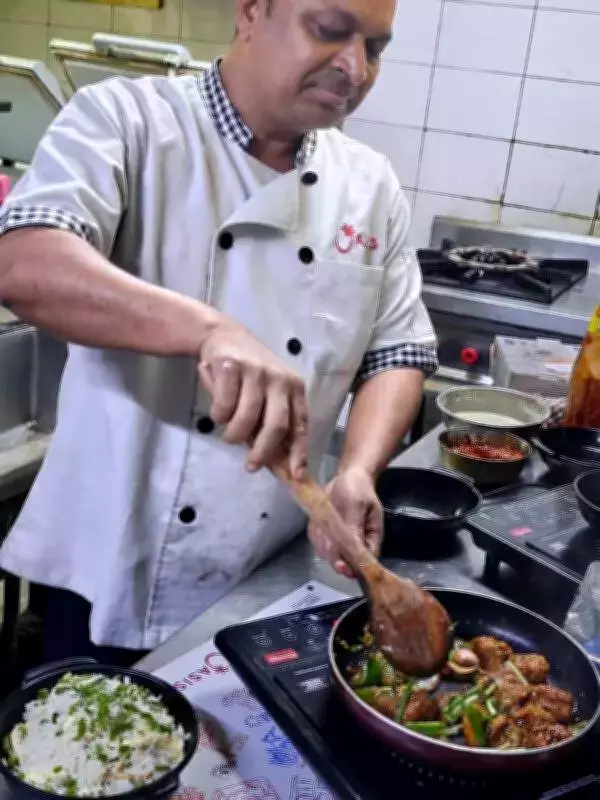
Kolkata's restaurant industry has emerged triumphant from its first-weekend trial of operating with diminished LPG supplies and newly introduced electric cooking equipment. This successful adaptation has empowered numerous establishments to contemplate permanently incorporating select electric cookware into their kitchens, provided the economic calculations prove favorable.
Chefs and Patrons Report Seamless Transition
Initial apprehensions that dishes prepared on various electric ovens might fail to meet the exacting culinary standards perfected over years using gas cooktops have been thoroughly dispelled. Speaking with The Times of India, multiple restaurant proprietors revealed that their kitchen staff adapted swiftly to the new technology.
"I have checked with patrons and they have found no difference between the dishes that used to be cooked earlier, on LPG, and are now being cooked on electric cookers," confirmed Nitin Kothari, owner of the iconic Mocambo and Peter Cat restaurants.

Rajiv Kothari of Bar-B-Q and One Step Up echoed this sentiment, noting that regular diners observed no alteration in taste or texture of the food served. "The adoption of electric has been seamless," he stated.
Efficiency Concerns Overcome, Except for Traditional Dishes
Some restaurateurs harbored concerns that electric cooktops, compared to high-flame LPG burners, would prolong cooking times and consequently increase customer wait times. However, this fear has largely proven unfounded.
"Dishes are actually being cooked faster on electric than on gas," reported Sudesh Poddar, owner of Songhai and Manthan restaurants. The singular exception noted is biryani, where a shift to wood-fired ovens has extended preparation time. Fortunately, as biryani is typically prepared in advance, this does not impact service timing.
Pratap Daryanani of Oasis acknowledged a slightly longer wait time during the initial adjustment period but emphasized customer understanding. "The customers did not mind the additional five minutes. In fact, some ordered an extra drink. Everyone has been extremely cooperative in this challenging time," he remarked.
Economic Viability to Dictate Future of Electric Cookware
The potential for long-term adoption hinges on financial practicality. Sagar Daryanani, founder of Wow Momo Foods—which encompasses brands like Wow! Momo, Wow! China, Wow! Chicken, and Wow! Kulfi—anticipates that restaurateurs may continue using some recently introduced electric devices even after the commercial LPG crisis subsides.
"Electric devices are usually safer than fire. Also, since heat can be regulated more precisely, it may be better," Daryanani explained. "But what will determine whether the appliances will be regularly used or kept as standby is the electricity bill generated next month and how it compares with the usual amount spent on LPG."
The collective experience suggests a significant shift in Kolkata's culinary landscape, demonstrating resilience and adaptability within the hospitality sector while opening the door to a potential technological evolution in commercial kitchen operations.