

LPG Crisis Eases for Indian Factories as Government Boosts Commercial Supply
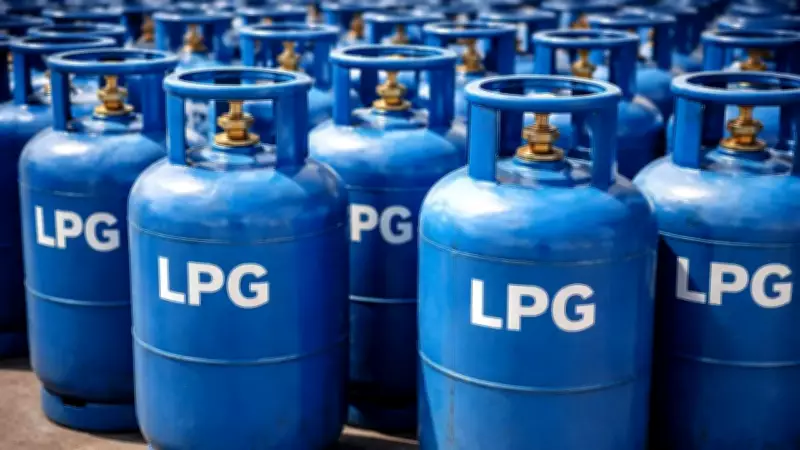
The severe liquefied petroleum gas (LPG) crisis that has plagued factories across India is showing signs of easing, thanks to proactive government intervention. Production disruptions are gradually subsiding as supplies of commercial LPG improve and migrant workers return to industrial facilities, supported by companies offering meals or alternative cooking solutions.
Government Steps Up Allocation to 70% of Pre-Disruption Levels
This significant improvement follows the government's decisive move on Friday to raise the allocation of commercial LPG by an additional 20 percentage points. This increase brings the total allocation to 70% of pre-disruption levels, which had been severely affected by the Gulf conflict and Iran's near blockade of the Strait of Hormuz.
The Centre has strategically designated several key sectors as priorities for LPG supply, given their labour-intensive operations and strong interlinkages with other industries. According to an ET report, these sectors include steel, automobiles, textiles, dyes, chemicals, and plastics. Companies operating in these areas have started to see their operations gradually stabilize as a result.

Critical Role of LPG in Industrial Processes
Liquefied petroleum gas is extensively used across multiple industries, particularly in automobiles and electronics. It plays a crucial role in processes such as brazing and paint shop operations, as well as in segments like food processing. The improved availability of commercial LPG is therefore vital for maintaining production continuity.
Industry players have reported that LPG availability has become significantly more stable in recent days. "Earlier we had visibility of one-two days; now it's about a week," said Kamal Nandi, head of the appliances business at Godrej Enterprises. "There are no issues with labour or raw materials, and production is running at full throttle."
Automobile Sector Benefits from Priority Status
An executive from the automobile sector noted that supply constraints at smaller vendors are easing, while larger manufacturers have managed to limit disruptions by adopting alternative fuel options. "The higher allocation for non-domestic LPG and inclusion of automobiles as a priority sector is a big help," he emphasized.
Mayank Shah, vice president at Parle Products, confirmed that improved LPG availability is enabling previously impacted plants to move back towards optimal production levels. He added that companies have urged the government to include packaged foods among the priority sectors to further stabilize operations.
Supply Recovery and Workforce Retention Strategies
Ajay DD Singhania, chief executive of Epack Durable, provided specific numbers on the recovery: "Supplies have recovered to nearly 60% of normal levels and are likely to rise to around 80% this week. The new normal is that we have to follow up daily to secure LPG supplies, but availability has improved." He noted that workforce retention is no longer a challenge with companies offering meals or cooking support, though production losses over the past three-four weeks are not recoverable.
Attendance levels have improved significantly as several firms introduced canteen meals, reducing reliance on LPG for cooking. Earlier, supply disruptions had led to absenteeism among migrant workers and a temporary outflow, as higher black market prices and the shutdown of small eateries and mess facilities made food access difficult.
Companies Implement Innovative Solutions
A senior executive in the auto components sector revealed that companies are now providing meals across shifts or offering incentives of up to Rs 5,000 to offset higher LPG costs and retain workers. "Attendance has returned to normal," he stated confidently.
Avneet Singh Marwah, chief executive of Super Plastronics, which produces televisions under the Kodak, Thomson and Blaupunkt brands, confirmed that the migrant workforce has returned as supply pressures have eased. This return of labour, combined with improved LPG availability, is creating a more stable production environment across industrial sectors.

The government's targeted approach to increasing commercial LPG allocation, combined with industry adaptation through alternative cooking solutions and worker incentives, is proving effective in mitigating the crisis. While challenges remain in fully recovering lost production, the overall trend points toward gradual normalization of factory operations nationwide.





