LPG Shortage Crisis Exposes Critical Energy Supply Vulnerabilities
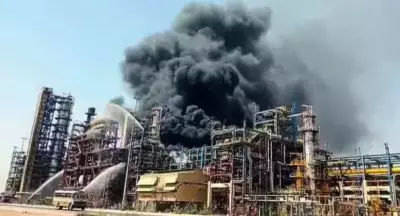
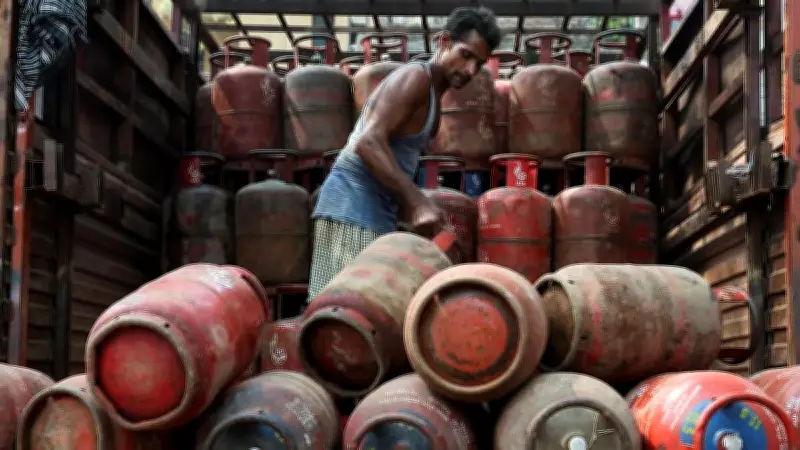
The recent LPG crunch in India has served as a stark wake-up call, revealing deep-seated vulnerabilities in the nation's energy supply infrastructure. This shortage, which has disrupted households and industries alike, underscores the pressing need for a more resilient and diversified energy strategy.
Supply Chain Weaknesses Laid Bare
The LPG shortage has exposed serious flaws in the supply chain, from production and distribution to storage and delivery. These disruptions have highlighted how reliant India remains on traditional fossil fuels, leaving the economy and daily life susceptible to sudden shocks. The crisis has prompted urgent discussions among policymakers and energy experts about the fragility of current systems.
This situation is not merely a temporary inconvenience but a symptom of broader structural issues that require immediate attention. The reliance on LPG, while essential for cooking and heating in many regions, has shown its limitations in the face of logistical challenges and global market fluctuations.

Call for Accelerated Transition to Alternative Energy
In response to the LPG crunch, there is a growing consensus that India must accelerate its shift toward alternative energy sources. This transition is seen as critical for:
- Enhancing energy security by reducing dependence on imported fuels
- Promoting sustainability through cleaner options like solar, wind, and biogas
- Building resilience against future supply disruptions
The shortage has acted as a catalyst, pushing for faster adoption of renewable energy technologies and infrastructure investments. Experts argue that diversifying the energy mix is no longer just an environmental imperative but an economic necessity to safeguard against similar crises.
Lessons Learned and Path Forward
The LPG shortage offers valuable lessons for India's energy policy. It emphasizes the need for:
- Improved supply chain management to prevent bottlenecks
- Increased investment in alternative energy to create a buffer
- Public awareness campaigns to encourage energy conservation
Moving forward, stakeholders are urged to prioritize a holistic approach that balances immediate relief with long-term strategic planning. The crisis has made it clear that proactive measures are essential to avoid repeating such disruptions and to build a more secure energy future for the nation.