LPG Cylinder Shortage and Fuel Price Surge Disrupt Major Indian Cities
A significant shortage of LPG gas cylinders has emerged across key metropolitan areas in India, including Bengaluru and Mumbai, causing widespread inconvenience for households and businesses. This supply disruption coincides with a sharp increase in petrol and diesel prices, driven by volatile global Brent crude oil markets. The combined effect is putting immense pressure on the hospitality sector, with hotels and restaurants struggling to maintain operations amid rising costs and limited fuel availability.
Supply Chain Issues Lead to LPG Cylinder Shortage
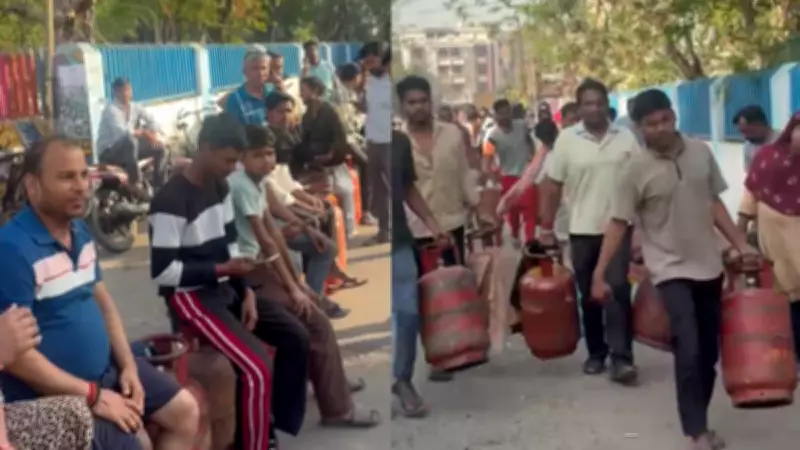
Reports indicate that the LPG cylinder shortage is primarily due to logistical challenges and supply chain bottlenecks. Distributors in affected cities are facing delays in cylinder refills and deliveries, leading to long waiting times for consumers. This shortage is particularly acute in urban centers where demand is high, with many residents resorting to alternative cooking methods or purchasing cylinders at premium prices from unauthorized sources.
Fuel Prices Spike Amid Global Crude Oil Volatility
Simultaneously, petrol and diesel prices have seen a notable surge in recent days. This increase is linked to fluctuations in Brent crude oil prices, which have been unstable due to geopolitical tensions and production adjustments by major oil-exporting nations. The rising fuel costs are exacerbating the economic strain on businesses, especially those in the transportation and hospitality industries, which rely heavily on diesel for generators and vehicles.

Impact on Hotels and Restaurants in Bengaluru and Mumbai
The hospitality sector in cities like Bengaluru and Mumbai is bearing the brunt of this dual crisis. Hotels and restaurants are experiencing:
- Increased operational costs due to higher LPG and diesel prices.
- Disruptions in food preparation and service from LPG cylinder shortages.
- Potential price hikes for customers to offset expenses.
Many establishments are implementing contingency plans, such as reducing operating hours or sourcing fuel from distant suppliers, but these measures are often unsustainable in the long term.
Government and Industry Response
Authorities and industry stakeholders are monitoring the situation closely. Efforts are underway to address the LPG supply issues by streamlining distribution networks and increasing cylinder allocations to high-demand areas. However, the global nature of crude oil price movements makes immediate solutions for fuel costs challenging. Experts advise consumers and businesses to prepare for continued volatility and explore energy-efficient alternatives where possible.
This ongoing situation highlights the interconnectedness of domestic fuel supply and international oil markets, underscoring the need for robust contingency planning in India's energy sector.