LPG Cylinder Shortage Prompts Households to Seek Alternative Cooking Solutions
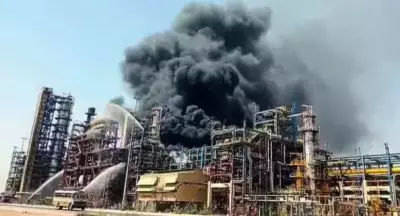
As reports of LPG cylinder shortages emerge across various regions, many Indian households are facing disruptions in their daily cooking routines. This scarcity has highlighted the need for reliable backup options to ensure that meal preparation can continue without interruption. In response, experts and consumers alike are turning to a range of alternative methods that offer both convenience and efficiency.
Five Practical Alternatives to LPG for Home Cooking
Here are five effective alternatives that can help mitigate the impact of LPG shortages:
- Electric Induction Cooktops: These appliances use electromagnetic energy to heat cookware directly, offering fast and energy-efficient cooking. They are safe, easy to use, and do not require flammable fuels, making them a popular choice in urban areas.
- Solar Cookers: Harnessing solar energy, these devices cook food using sunlight, reducing reliance on conventional fuels. They are eco-friendly and cost-effective in the long run, though their efficiency can vary with weather conditions.
- Biogas Systems: Utilizing organic waste like kitchen scraps or animal manure, biogas plants produce methane gas for cooking. This renewable option is sustainable and can be particularly useful in rural settings where waste materials are abundant.
- Kerosene Stoves: While less common today, kerosene stoves remain a viable backup due to their portability and availability. However, they require proper ventilation to avoid health risks from fumes.
- Traditional Chulhas (Clay Stoves): Using biomass such as wood or cow dung, chulhas offer a time-tested method for cooking. Modern improved versions are designed to reduce smoke emissions, making them safer and more efficient.
Factors to Consider When Choosing an Alternative
When selecting an alternative cooking method, households should evaluate several key factors to ensure suitability and safety:

- Cost-effectiveness: Compare initial investment and ongoing expenses, such as fuel costs or electricity bills.
- Availability of Resources: Assess the local availability of fuels like biomass or access to sunlight for solar options.
- Safety Features: Prioritize methods with built-in safety mechanisms, especially in homes with children or elderly members.
- Environmental Impact: Opt for eco-friendly alternatives like solar or biogas to reduce carbon footprint.
- Ease of Use: Consider the learning curve and convenience, particularly for daily cooking needs.
The current LPG shortage underscores the importance of diversifying cooking methods to build resilience against supply chain disruptions. By exploring these alternatives, households can maintain their culinary practices while potentially discovering more sustainable options for the future.