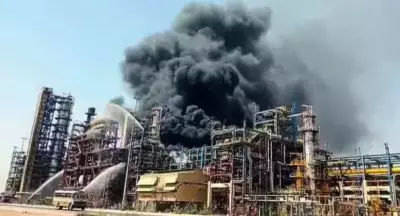
LPG Supply Crunch in Bengaluru Drives Induction Stove Market Boom
Bengaluru is currently grappling with a significant shortage of liquefied petroleum gas (LPG), causing widespread inconvenience for households and businesses reliant on traditional cooking fuels. This ongoing gas supply crunch has sparked a notable shift in consumer behavior, with many turning to induction stoves as a reliable alternative to mitigate the impact of the LPG deficit.
Rising Demand for Induction Stoves Amid Gas Shortages
The scarcity of LPG cylinders in the city has accelerated the adoption of induction cooking appliances. Retailers and electronics stores across Bengaluru report a substantial uptick in sales of induction stoves, as residents seek immediate solutions to maintain their daily cooking routines without depending on erratic gas supplies.
Key factors contributing to this trend include:

- Consistent availability of electricity compared to intermittent LPG deliveries.
- Perceived cost-effectiveness over time, despite higher initial investment.
- Growing awareness of induction technology's efficiency and safety features.
Impact on Local Economy and Consumer Behavior
The surge in induction stove sales is reshaping the local appliance market, with suppliers ramping up inventory to meet the heightened demand. This shift not only reflects adaptive consumer strategies but also highlights broader issues in urban fuel management and infrastructure resilience.
Industry analysts observe that this trend may have lasting effects on household energy consumption patterns in Bengaluru, potentially reducing long-term reliance on LPG if the supply issues persist. However, challenges such as higher electricity costs and the need for compatible cookware remain considerations for many users.
Broader Implications for Urban Fuel Supply Chains
The LPG shortage in Bengaluru underscores vulnerabilities in the city's fuel distribution networks, prompting calls for improved supply chain management and diversification of energy sources. As induction stoves gain popularity, policymakers and energy providers are urged to address both immediate gas shortages and long-term sustainable cooking solutions.
In summary, the current gas supply crunch in Bengaluru has inadvertently fueled a boom in the induction stove market, demonstrating how urban challenges can drive innovation and change in consumer habits. This development serves as a case study in adaptive responses to resource constraints in major Indian cities.