

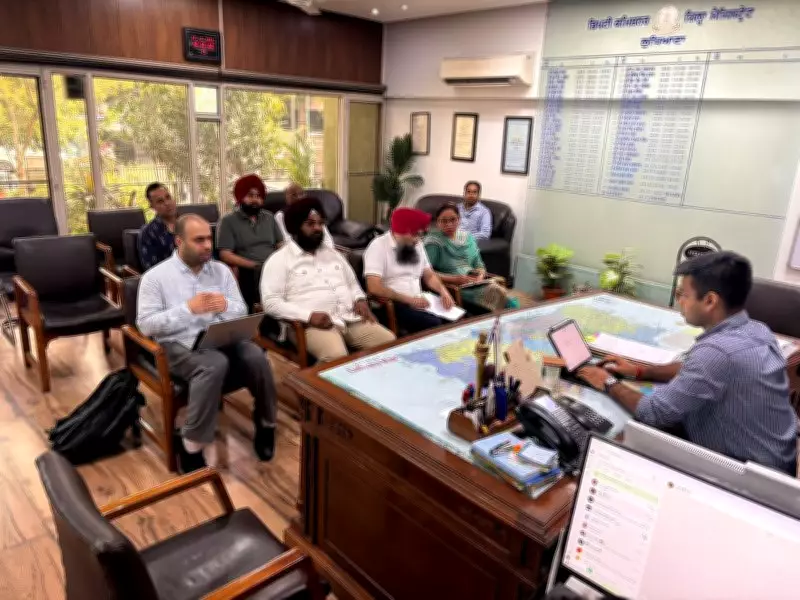
Ludhiana Deputy Commissioner Directs Immediate 50% Restoration of Commercial LPG Supply
In a significant move to alleviate the ongoing shortage of commercial LPG (Liquefied Petroleum Gas) in Ludhiana, the Deputy Commissioner (DC) has issued a directive for the immediate restoration of 50% of the supply. This order comes in response to widespread complaints from businesses and industrial units across the district, which have been grappling with severe disruptions in their operations due to the gas scarcity.
Addressing Critical Shortages in Industrial Hub
Ludhiana, often referred to as the industrial capital of Punjab, relies heavily on commercial LPG for various manufacturing processes, including in sectors such as textiles, auto parts, and metal fabrication. The recent supply crunch has led to production delays, increased operational costs, and concerns over potential job losses. The DC's intervention aims to mitigate these impacts by ensuring a partial but crucial resumption of gas availability.
The directive mandates all gas agencies operating in Ludhiana to comply with the 50% restoration target without delay. This measure is expected to provide immediate relief to small and medium enterprises (SMEs) and larger industries that depend on LPG for heating, welding, and other essential functions. Authorities have emphasized that the restoration is a temporary step while long-term solutions are being explored to stabilize the supply chain.

Root Causes and Broader Implications
Initial reports suggest that the shortage may be linked to logistical challenges, including transportation issues and fluctuations in demand. The DC's office has also indicated that it is coordinating with state-level authorities and gas suppliers to address underlying problems and prevent future disruptions. This situation highlights the vulnerability of industrial clusters to energy supply fluctuations, underscoring the need for robust contingency plans.
Stakeholders, including industry associations and local business owners, have welcomed the DC's order but are calling for more comprehensive measures. They argue that a 50% restoration, while helpful, may not be sufficient to fully normalize operations, especially for units with high gas consumption. Discussions are ongoing regarding potential subsidies, improved distribution networks, and alternative energy sources to bolster resilience.
Next Steps and Monitoring
The Ludhiana administration has set up a monitoring committee to oversee the implementation of the restoration order and assess its effectiveness. This committee will track supply levels, address grievances from businesses, and provide regular updates to the DC. Failure to comply with the directive could result in penalties for gas agencies, as per existing regulations.
In the broader context, this incident serves as a reminder of the critical role that reliable energy access plays in sustaining economic growth. As Ludhiana continues to be a key contributor to Punjab's economy, ensuring stable LPG supply is not just a local issue but one with regional implications. The DC's proactive stance is seen as a step toward safeguarding industrial productivity and supporting livelihoods in the area.






