Feeding the World's Population: A Complex Challenge Demands Scientific Solutions
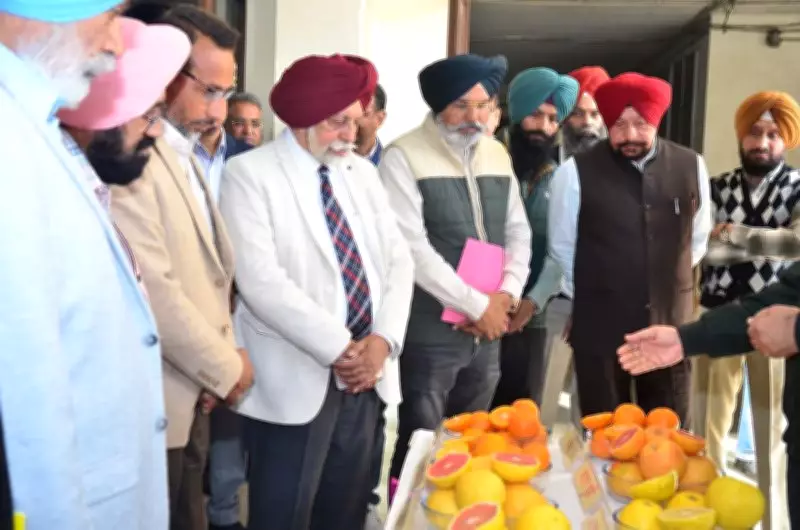
At a recent seminar held in Ludhiana, an expert highlighted the intricate nature of global food security, stressing that addressing the needs of a rapidly expanding world population requires robust scientific interventions. The event brought together professionals and stakeholders to discuss sustainable strategies for ensuring adequate food supplies amid rising demographic pressures.
The Complexity of Global Food Security
The expert explained that feeding the world's population is not merely a matter of increasing agricultural output. It involves a multifaceted approach that considers environmental sustainability, resource management, and technological advancements. With the global population projected to reach nearly 10 billion by 2050, the urgency to develop effective solutions has never been greater.
Key Challenges Identified- Climate change impacts on crop yields and farming practices
- Limited arable land and water resources for agriculture
- Economic disparities affecting food access and distribution
- Need for innovation in food production and preservation techniques
Scientific Solutions Proposed at the Seminar
During the seminar, the expert advocated for a science-driven approach to tackle these challenges. Proposed solutions include leveraging biotechnology to develop drought-resistant crops, implementing precision agriculture using data analytics, and promoting sustainable farming methods to reduce environmental degradation.

Furthermore, the seminar emphasized the importance of policy support and international collaboration to scale up these scientific solutions. By fostering partnerships between governments, research institutions, and the private sector, it is possible to create a more resilient global food system.
Implications for India and Beyond
As a major agricultural producer, India plays a crucial role in global food security. The insights from the Ludhiana seminar are particularly relevant for the country's efforts to modernize its farming sector and ensure food self-sufficiency. Adopting scientific solutions can help India address its own population's needs while contributing to worldwide food stability.
In conclusion, the seminar in Ludhiana underscored that feeding the world's population is a complex issue that demands immediate and innovative scientific responses. By embracing technology and sustainability, we can work towards a future where food security is achievable for all.