Maharashtra Government Reiterates Plans for Mumbai 3.0 and 4.0 Urban Growth Centers
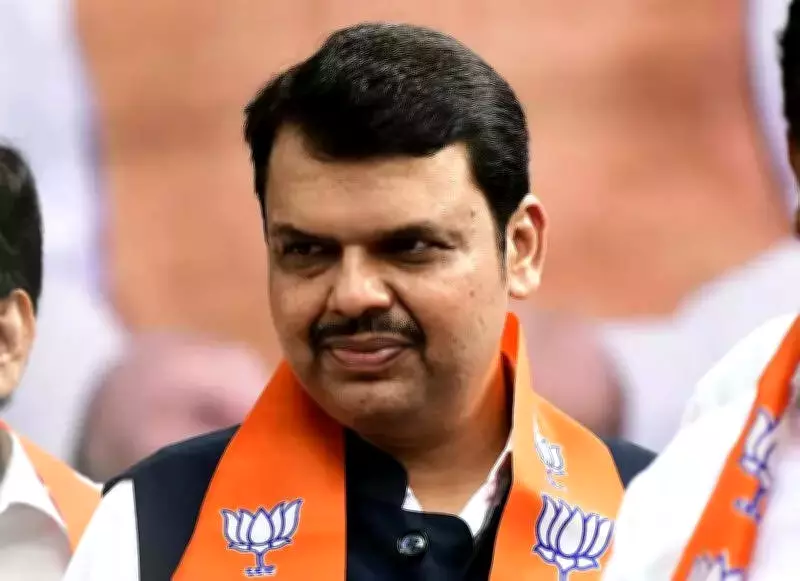
The Maharashtra government, led by Chief Minister Devendra Fadnavis, has reaffirmed its commitment to developing new urban growth centers—Mumbai 3.0 and Mumbai 4.0—as part of a long-term strategy to expand the Mumbai Metropolitan Region and alleviate pressure on the existing city. This announcement was made during the 2026-27 budget speech, highlighting the state's vision for sustainable urban expansion.
Mumbai 3.0: Focus on Raigad District
Mumbai 3.0 is set to be developed in the region surrounding the upcoming Navi Mumbai International Airport (NMIA) in Raigad district. This proposed urban cluster spans an area of 324 square kilometers and will encompass locations such as Karnala, Sai, and Chirner. The development aims to leverage improved connectivity from major projects like the Atal Setu and the new airport to create integrated townships, logistics parks, and commercial districts. This initiative is expected to transform the area into a vibrant economic zone, reducing congestion in central Mumbai.
Mumbai 4.0: Expansion into Palghar District
Simultaneously, the government plans to develop Mumbai 4.0 in Palghar district, which is emerging as a crucial growth corridor due to the proposed Vadhvan port. Enhanced road and rail infrastructure will support large-scale industrial, residential, and commercial development in this region. By fostering new economic hubs beyond Mumbai and its immediate suburbs, the state aims to distribute growth more evenly and boost regional prosperity.

Bullet Train Corridor and Transit-Oriented Development
In addition to these centers, the Maharashtra government will promote development along the Mumbai–Ahmedabad bullet train corridor. Key stations at Virar, Boisar, and Thane will serve as focal points for transit-oriented development (TOD). This approach involves creating business districts, residential clusters, and supporting infrastructure around high-speed rail stations to maximize connectivity and urban efficiency.
Officials emphasize that this comprehensive strategy aims to create multiple growth nodes across the wider Mumbai region. By improving connectivity and supporting long-term economic expansion, the plan seeks to enhance the quality of life for residents while driving Maharashtra's growth trajectory forward. The focus on sustainable urban planning underscores the state's commitment to balanced regional development.