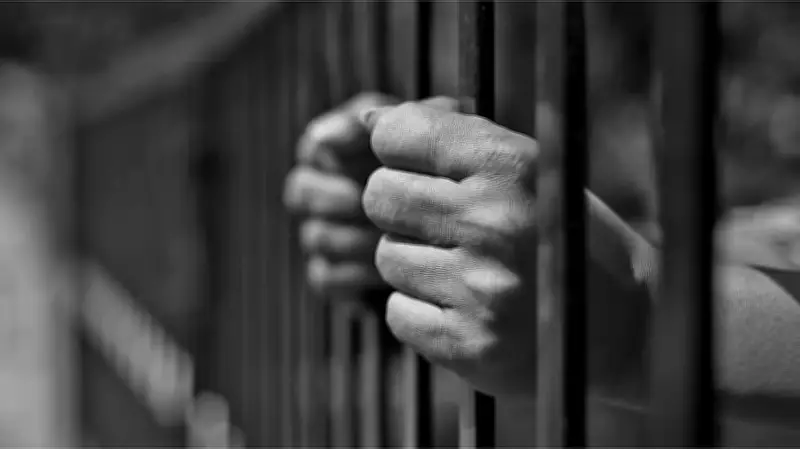
Preventive Detention: The Burden of Suspicion
At the centre of the issue is the paradox of people being sent to jail only because the system decides they might be involved in offences yet to occur. This practice, known as preventive detention, has long been a subject of debate in legal and human rights circles. The core principle of criminal justice—that a person is innocent until proven guilty—is turned on its head, replaced by a presumption of future guilt based on suspicion.
Understanding Preventive Detention
Preventive detention laws allow authorities to detain individuals without trial if they are deemed a threat to public order or national security. In India, such laws have been used for decades, often justified as necessary tools to prevent crime and maintain stability. However, critics argue that these laws are frequently misused, targeting political opponents, activists, and marginalized communities. According to a 2023 report by the National Human Rights Commission, thousands of individuals are held under preventive detention annually, many without access to legal counsel or timely review of their cases.
Impact on Civil Liberties
The burden of suspicion falls heavily on the detained, who must prove they are not a threat—a reversal of the standard legal process. This undermines fundamental rights such as personal liberty and due process. As noted by legal expert and former Supreme Court judge Justice K. S. Paripoornan, "Preventive detention, if unchecked, can become a tool of oppression rather than protection." The psychological toll on detainees and their families is immense, often leading to loss of livelihood, social stigma, and long-term trauma.

Legal Framework and Safeguards
The Indian Constitution permits preventive detention under Article 22, but with safeguards: detainees must be informed of the grounds of detention, allowed to make representations, and have their cases reviewed by an advisory board within three months. In practice, these safeguards are often bypassed. A 2022 study by the Commonwealth Human Rights Initiative found that over 60% of preventive detention cases in India lacked proper documentation or timely hearings. The burden on the judiciary is also significant, as courts struggle to process thousands of habeas corpus petitions each year.
Recent Controversies and Calls for Reform
In recent years, high-profile cases have highlighted the misuse of preventive detention. For instance, in 2024, a journalist was detained under the National Security Act for reporting on government policies, sparking widespread condemnation. Human rights organizations, including Amnesty International and the People's Union for Civil Liberties, have called for a review of preventive detention laws, urging stricter oversight and proportionality. The Law Commission of India, in its 2025 report, recommended limiting detention periods and ensuring judicial scrutiny before arrest.
Conclusion: Striking a Balance
The paradox of preventive detention lies in its intent to protect society versus its potential to erode freedoms. While the state has a duty to prevent crime, it cannot do so at the cost of fundamental rights. As the debate continues, the need for a balanced approach—one that respects both security and liberty—remains urgent. The burden of suspicion should not become a permanent shadow over justice.