Maharashtra Pollution Control Board Drafts Proposal for Temporary Fuel Flexibility
In response to supply disruptions affecting liquefied petroleum gas (LPG), the Maharashtra Pollution Control Board (MPCB) is developing a proposal to expedite temporary permissions for industries, hotels, and restaurants to utilize alternate fuels. This move follows an advisory from the Central Pollution Control Board (CPCB) issued on March 12, which recommends state regulators allow such flexibility during this "extraordinary situation."
CPCB Advisory and Regulatory Context
The CPCB's advisory, directed to all State Pollution Control Boards and Pollution Control Committees, acknowledges that establishments operating under Consent to Operate (CTO) are typically mandated to use specific approved fuels to maintain emissions within prescribed norms. However, citing LNG supply disruptions, the national watchdog has suggested that state regulators may permit temporary use of alternate fuels after consulting with respective state governments or Union Territory administrations.
According to the advisory, permissible temporary alternatives include biomass or refuse-derived fuel (RDF) pellets as substitutes for piped natural gas (PNG). If these options are unavailable, the use of kerosene or coal could be considered as a last resort, subject to state government consultation and compliance with court directives. The CPCB emphasized that any such permissions should be granted for a short duration, not exceeding one month from the advisory's issuance date.

Environmental and Legal Considerations
This potential relaxation comes amidst existing legal pressures to improve air quality. The Bombay High Court, while hearing public interest litigations on rising pollution, has previously stressed that public health and the right to clean air must take precedence over commercial considerations. The court had specifically directed authorities to ensure that bakeries, restaurants, and other establishments transition from wood- or coal-based ovens to cleaner fuels.
Environmental groups have expressed caution, warning that allowing kerosene or coal, even temporarily, could exacerbate air pollution in cities like Mumbai, where rising heat and humidity already contribute to deteriorating air quality. The conflict between ensuring uninterrupted commercial activity and protecting environmental health remains a central challenge.
Industry Response and Practical Challenges
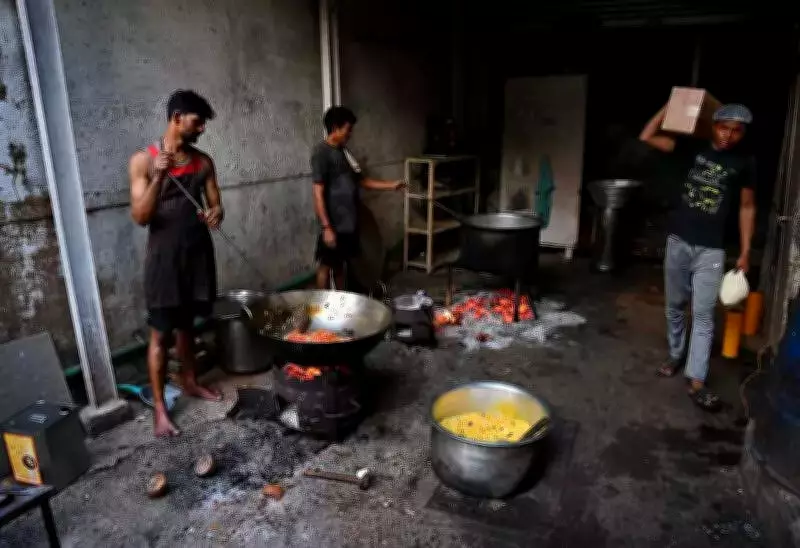
MPCB Chairman Siddhesh Kadam confirmed that his department is drafting a proposal to implement the CPCB's advisory, though a final decision will rest with the state government. In the interim, several restaurants have reportedly begun using pellets, coal, and biomass to cope with fuel shortages.
However, stakeholders have raised practical concerns. Fuel dealer Kedar Chandak noted that bulk kerosene stocks are scarce following the fuel's ban several years ago, questioning the viability of this option. Vijay Shetty, president of the Indian Hotel and Restaurant Association, highlighted difficulties in sourcing coal, indicating that supply chain issues may hinder the effectiveness of the temporary measures.
The fuel supply disruptions have particularly impacted commercial establishments, including eateries and small industrial units in major cities, which rely heavily on PNG or LPG for daily operations. Officials argue that the temporary relaxation is necessary to prevent economic disruption, but balancing this with environmental safeguards will be critical as the proposal moves forward.