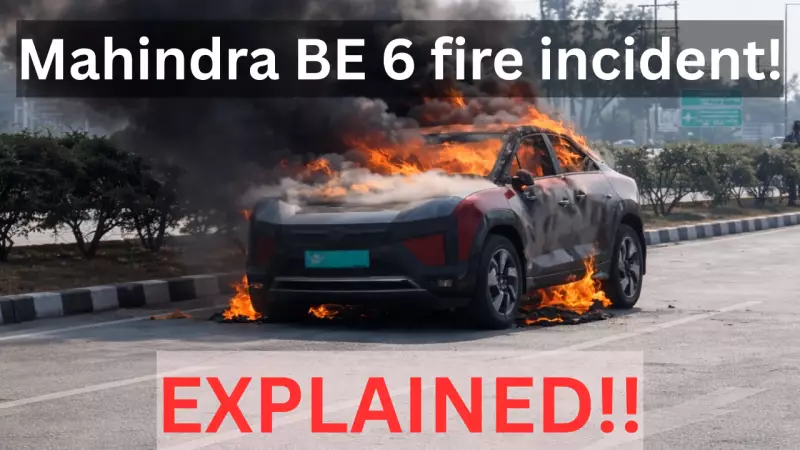
Mahindra & Mahindra has issued an official clarification following a widely circulated video showing a BE 6 electric SUV catching fire on the road. The incident, which gained significant traction on social media platforms over the past few days, raised serious questions about the safety of this newly introduced electric model and sparked extensive discussions across digital forums.
Company's Detailed Response to Safety Concerns
In response to growing public concern, the automotive manufacturer has provided a comprehensive explanation of the sequence of events that led to the fire. The company addressed multiple safety-related questions raised by online commentators and reiterated its firm position on vehicle safety standards and corporate transparency. This clarification comes at a crucial time when consumer confidence in electric vehicle technology is paramount for industry growth.
Key Findings from Mahindra's Technical Investigation
According to Mahindra's official statement, a detailed on-site inspection was conducted, supported by comprehensive data from onboard sensors and sophisticated software diagnostics. The investigation revealed that the fire did not originate from the electric powertrain or any core EV components. All critical electric vehicle systems remained completely intact and operated within prescribed safety limits throughout the incident.

The automaker emphasized that the vehicle's integrated safety systems functioned exactly as designed by engineers. Most importantly, all occupants were able to exit the vehicle safely and remained completely unharmed during the entire episode.
Analysis of Vehicle Data and Safety System Performance
Data retrieved from the vehicle's onboard computer systems shows that a tyre high-temperature alert was triggered during operation. Following this warning, the vehicle's safety systems initiated multiple protective measures including:
- Automatic speed limitation to reduce risk
- A controlled shutdown sequence that brought the vehicle to a gradual halt
- Continuous monitoring of all critical parameters
Mahindra's technical team found that the vehicle had been driven for over 10 minutes at approximately 60 kmph with a fully deflated rear right tyre. During this period, multiple tyre pressure alerts were issued to the driver, indicating the developing problem.
Onboard sensors also recorded active intervention by both the Electronic Stability Program (ESP) and Traction Control System (TCS). These advanced systems attempted to manage wheel spin and maintain vehicle stability caused by the deflated tyre's compromised performance.
Root Cause Identification and Video Evidence Confirmation
The company explained that the rear right wheel's high-temperature warning resulted from excessive friction between the deflated tyre and the road surface. This continuous friction generated significant heat buildup that eventually led to the tyre rubber catching fire.
An independent analysis of video footage recorded by bystanders at the scene further confirmed these findings. The visual evidence clearly showed that the fire originated specifically from the tyre rubber, establishing this as the definitive root cause of the incident rather than any electrical or battery-related issue.
Important Safety Implications for Drivers
Mahindra's thorough investigation into the BE 6 fire incident concludes that the cause was prolonged driving on a fully deflated rear tyre and not any fault in the vehicle's electric powertrain, battery system, or motor components. Company data confirms that both the battery pack and electric motor remained completely unaffected throughout the event.
While the incident attracted considerable attention after the video circulated widely online, the findings point specifically to a tyre-related maintenance issue. This case highlights the critical importance of drivers responding promptly to vehicle alerts and warnings, particularly those related to tyre pressure and temperature monitoring systems.

The incident serves as a valuable reminder for all vehicle owners about proper maintenance practices and the importance of addressing warning indicators immediately. Modern vehicles, especially electric models with advanced sensor systems, provide numerous safety alerts designed to prevent such situations when heeded properly.