

Mangaluru Innovator Transforms Aquaculture with Mud Crab Farming
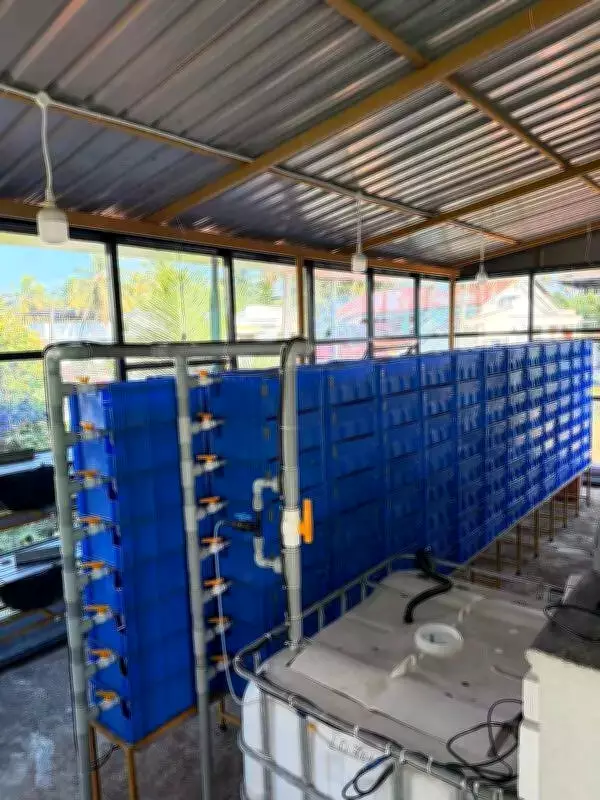
In a groundbreaking development for the aquaculture sector, a trawl boat owner from Mangaluru is spearheading mud crab cultivation through an advanced recirculating aquaculture system (RAS). Bharath Kumar D has launched the pilot unit 'Crab Shack' in Kulai, establishing a vertical farming setup with nearly 200 stackable crates. This innovative approach marks a significant departure from traditional seasonal marine harvesting, leveraging automated filtration to ensure consistent, year-round production while optimizing space efficiency.
From Hobby to Scalable Venture
What began as a personal interest has rapidly evolved into a promising commercial enterprise. Bharath Kumar D shared that he initiated crab cultivation at Kulai approximately a year ago, following extensive experimentation and refinement. Drawing on his background as a boat owner with connections to local fishermen, he initially sourced crab seeds from these networks and has since expanded to include local vendors. He plans to engage with officials from the Fisheries Department and experts at the College of Fisheries to explore avenues for scaling this pilot project further.
Understanding Mud Crabs and Their Market Potential
Mud crabs, scientifically known as Scylla serrata, are large edible crustaceans predominantly found in tropical mangroves and estuaries. Renowned for their sweet and flavorful meat, these crabs can grow to impressive weights ranging from 2.5 to 4 kilograms. They are highly sought after in premium markets, often sold live due to their culinary value. Bharath highlighted that the cultivation of this species offers substantial economic opportunities, particularly in controlled environments that enhance growth rates and quality.

Inspiration and Implementation of the RAS System
The concept for this venture took root during the previous monsoon season when Bharath, while crabbing, was inspired to delve deeper into aquaculture techniques. He even considered traveling to Singapore to study advanced crab farming methods. Collaborating with friends Tejas and Nikshith, the trio manages this initiative alongside their existing businesses, including a hotel and grocery store. The RAS setup is central to their success, providing superior water quality control and diminishing dependence on natural tidal cycles. Seawater is transported to the facility via tankers twice a month, with crabs reared in 26-litre boxes within the crates.
Scaling Up and Demonstrating Viability
Starting modestly with just 40 crates, Bharath has progressively expanded the operation to 200 crates, showcasing the model's robustness and scalability. Harvest times for the crabs vary between 25 and 60 days, depending on growth conditions. At the Kulai unit, the largest crab recorded weighed 2.2 kilograms, underscoring the favourable outcomes achievable under a meticulously controlled environment. This success story aligns with global trends, as RAS-based mud crab farming is already well-established in countries like Singapore, Malaysia, and Vietnam, and is increasingly gaining momentum in Indian states such as Kerala, Tamil Nadu, and Maharashtra.
Training and Broader Implications for the Fishing Industry
Beyond his farming activities, Bharath conducts training workshops focused on advanced RAS and water filtration techniques, aiming to disseminate knowledge and foster innovation within the aquaculture community. He emphasized that at a time when the traditional fishing industry faces numerous challenges, including environmental pressures and economic instability, such technological innovations emerge as viable strategies. They not only offer economic stability but also promote sustainable seafood production, contributing to food security and environmental conservation.
This initiative by Bharath Kumar D represents a forward-thinking approach to aquaculture, blending entrepreneurial spirit with sustainable practices to create a model that could inspire similar ventures across the region and beyond.






