Maruti Suzuki Adopts Gradual Strategy for eVitara EV in Indian Market
Maruti Suzuki, India's largest car manufacturer, is deliberately taking a slow and steady approach to the domestic launch of its first electric vehicle, the eVitara SUV. The company has announced it will reserve a monthly production capacity of just 2,000 units for the Indian market until July this year, with plans for a significant ramp-up only after that period.
Production Constraints and Strategic Priorities
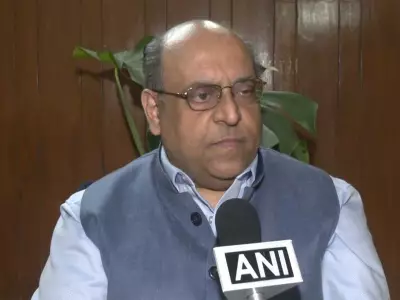
Partho Banerjee, Senior Executive Officer for Marketing and Sales at Maruti Suzuki, revealed that the production line manufacturing the eVitara at the company's Gujarat facility is facing substantial capacity pressures. This production line, which has an annual capacity of 100,000 units, is simultaneously used to manufacture the popular Fronx model while also fulfilling export orders for the eVitara and delivering units to Japanese partner Toyota.
"We have committed allocations for both export markets and Toyota when it comes to the eVitara," Banerjee explained during the inauguration of Maruti Suzuki's 200th 'Nexa Studio' outlet, which targets non-urban centers. "Additionally, the Fronx has experienced tremendous market demand following the government's GST 2.0 reforms, and we are currently unable to fully meet customer requirements."

eVitara Launch Details and Pricing Structure
After experiencing multiple delays, Maruti Suzuki finally commenced sales of the eVitara in India in mid-February, having begun exports of the environmentally friendly vehicle last year. The electric SUV features two distinct pricing models that cater to different consumer preferences.
The Battery as a Service (Baas) variant starts at an entry price of ₹11 lakh (ex-showroom) for the 49 kWh battery pack, with customers paying a rental fee of ₹3.99 per kilometer driven. For the non-Baas version, pricing begins at ₹16 lakh for the 49 kWh battery configuration and ₹17.5 lakh for the higher-capacity 61 kWh variant.
Strategic Market Approach and Future Plans
Regarding domestic sales performance, Banerjee described the response to the eVitara as "very, very good." However, the company remains committed to a gradual, phased introduction in the Indian market as it focuses on developing robust charging infrastructure around its extensive dealership network and third-party charging points.
"We are in no hurry," Banerjee emphasized. "Customer experience comes first, and we want to ensure we build the necessary support ecosystem before aggressively pushing volumes."
This cautious approach aligns with Maruti Suzuki's revised electric vehicle strategy. The company has adjusted its initial target from six electric vehicles by 2030 to four new EV launches, reflecting a more measured transition to electric mobility in the Indian market.
The company's strategy highlights the complex balancing act between meeting existing demand for conventional vehicles, fulfilling international commitments, and carefully introducing new electric technology to the domestic market while ensuring adequate infrastructure and customer support systems are in place.