Mercedes-Benz India: Why the EU Free Trade Agreement Won't Lower Car Prices in 2026
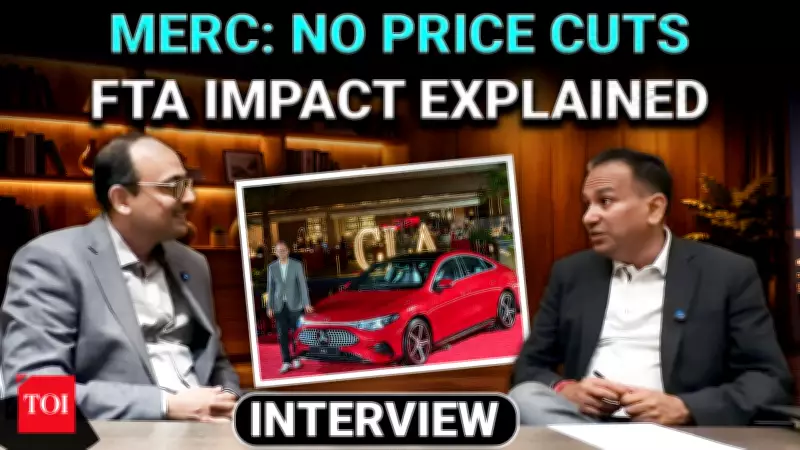
In a detailed analysis, Mercedes-Benz India CEO Santosh Iyer has clarified that the much-anticipated India-European Union Free Trade Agreement (FTA) will not lead to immediate reductions in luxury car prices for Indian consumers in 2026. Contrary to expectations of cheaper imports, Iyer highlights several economic factors that are actually set to increase costs in the short term.
Economic Factors Driving Price Increases
The primary reason for the lack of price drops is the ongoing depreciation of the Indian rupee against major global currencies. This currency fluctuation significantly offsets any potential benefits from reduced import tariffs under the FTA. Additionally, the agreement includes a "glide path" provision, which phases out tariffs over a five-year period rather than eliminating them immediately.
This gradual reduction means that substantial tariff relief will not be realized until later years, delaying any meaningful price adjustments. Iyer emphasized that these combined factors create a scenario where luxury car prices are poised to rise initially, rather than fall, as the market adjusts to the new trade terms.

Mercedes-Benz India's Strategic Response
Despite the challenging pricing environment, Mercedes-Benz India is preparing for a robust year with an aggressive product launch strategy. The company has announced plans to introduce 11 new models in the Indian market, signaling a strong commitment to growth and innovation.
Key highlights of the upcoming launches include:
- The all-electric CLA sedan, which represents Mercedes-Benz's push into the premium electric vehicle segment.
- The updated V-Class, catering to the luxury multi-purpose vehicle market.
- A range of other new and refreshed models across various segments to strengthen the brand's portfolio.
This expansion aligns with global trends toward electrification and diversified mobility solutions, positioning Mercedes-Benz to capitalize on evolving consumer preferences in India's luxury automotive sector.
Broader Implications for the Luxury Car Market
The insights from Mercedes-Benz India shed light on the complex interplay between international trade agreements and local market dynamics. While FTAs are often touted as tools for reducing consumer costs, the reality involves multiple layers of economic variables that can delay or alter expected outcomes.
For Indian consumers, this means that the benefits of the India-EU FTA in the automotive sector may take several years to materialize in the form of lower prices. In the interim, factors like currency exchange rates and phased tariff reductions will continue to influence pricing strategies for imported luxury vehicles.
Mercedes-Benz's proactive approach with new launches demonstrates how automakers are adapting to these conditions by focusing on product innovation and market expansion, even in the face of economic headwinds.