

India's Dairy Sector Achieves Remarkable Growth, Sets Ambitious Disease Control Goals
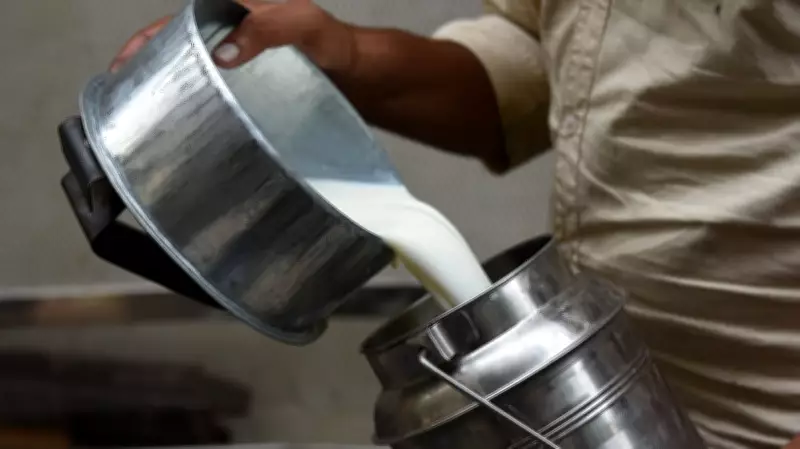
The Indian government has announced a dual milestone in the nation's livestock and dairy sector, revealing a substantial increase in milk production alongside a targeted plan to eradicate a major animal disease. According to an official statement presented in the Rajya Sabha, India's milk output has surged by an impressive 70% over the past eleven years, marking a significant achievement in agricultural productivity.
Government Announces Plan to Eliminate Foot and Mouth Disease
In a parallel development, the Ministry of Fisheries, Animal Husbandry and Dairying has set an ambitious target to make India free from Foot and Mouth Disease (FMD) within the next three years. This announcement was made by the concerned minister during a parliamentary session, highlighting the government's commitment to improving livestock health and boosting the dairy industry's sustainability.
The minister further informed that the outbreaks of both Foot and Mouth Disease and Brucellosis have shown a notable decline in recent years. This positive trend is attributed to enhanced disease control measures, improved veterinary services, and widespread vaccination campaigns across the country.

Key Factors Behind the Milk Production Surge
The remarkable 70% growth in milk production can be linked to several strategic initiatives and favorable conditions:
- Enhanced breeding programs that have improved the genetic quality of dairy cattle.
- Increased adoption of scientific feeding practices and better animal nutrition management.
- Expansion of dairy cooperative networks that provide better market access and fair prices to farmers.
- Government schemes focusing on livestock development and dairy infrastructure.
Implications for India's Agricultural Economy
This growth in milk production positions India more firmly as one of the world's leading dairy producers, contributing significantly to rural employment and nutritional security. The dairy sector remains a crucial component of India's agricultural economy, supporting millions of small and marginal farmers across the country.
The planned eradication of Foot and Mouth Disease represents another critical step forward. FMD is a highly contagious viral disease affecting cloven-hoofed animals, causing substantial economic losses due to reduced milk yield, weight loss, and trade restrictions. Successfully eliminating this disease would not only improve animal welfare but also enhance India's export potential in dairy and meat products.
Looking Ahead: Challenges and Opportunities
While the decline in FMD and Brucellosis outbreaks is encouraging, achieving complete eradication within three years will require sustained efforts. The government will need to focus on:
- Strengthening disease surveillance and reporting mechanisms.
- Ensuring comprehensive vaccination coverage across all susceptible livestock populations.
- Improving biosecurity measures at farms and during animal transportation.
- Enhancing coordination between central and state animal health authorities.
The combination of increased milk production and improved animal health management signals a transformative phase for India's livestock sector. As the country works toward its 2029 target for FMD eradication, these developments promise to strengthen food security, boost farmer incomes, and position India as a global leader in sustainable dairy production.






