

Mumbai Eateries Grapple with LPG Shortage Amid Ramadan Rush
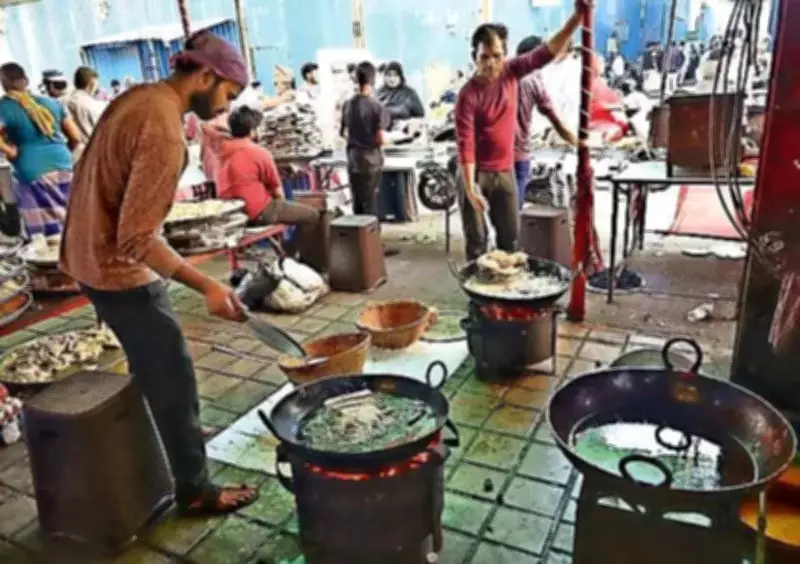
In the bustling lanes of Mohammed Ali Road in Mumbai, the holy month of Ramadan is typically a time of vibrant culinary activity. However, this year, a severe commercial LPG shortage has thrown kitchens into disarray, forcing restaurants to adapt with slower cooking methods and reduced menus.
Slowed Operations and Extended Prep Times
At Shalimar restaurant, Mohammed Naseer meticulously rolls roomali roti, but the process has become a test of patience. "If I made 50 roomali rotis in 30 minutes on a gas burner, now it takes 45 minutes to prepare as many," he explains, as he waits for the sigri, a charcoal-fired metal pan, to warm up. Unlike efficient gas stoves, sigris require 10-15 minutes to heat and prolong cooking times significantly.
Similarly, Abdul Aziz, owner of Hindustan Hotel near Minara Masjid, has adjusted schedules to cope. "Work begins earlier now, around six in the morning, because it takes longer to cook on coal-fired ovens," he says. His kitchen now focuses on kheema and Mughlai dishes, ready by noon, but has halted fried rice, paya, and daal gosht due to the constraints.

Menu Cuts and Operational Challenges
The shortage has led to widespread menu reductions across the area. Chinese N Grill, a popular spot, has removed its signature Crispy Thread Chicken. Supervisor Aquib notes, "Somehow we are running the kitchen with sigdi (charcoal). But this is costlier. If commercial LPG supply is not restored soon, most of us will have to shut down." Other items like Chicken Shanghai Sizzler and Nalli Nihari remain, but the strain is evident.
At Shalimar, owner Umair Shaikh confirms that chapatis and Chinese dishes are off the menu, with Mughlai items cooked on sigri and malpuas fried on diesel stoves. This shift not only slows service but increases costs, adding to the financial burden during what should be a peak business period.
Government Priorities and Industry Appeals
Many hoteliers express frustration over the government's prioritization of domestic LPG over commercial users. Shashidhar Shetty of Govind Shree Durga Bhavani, a vegetarian eatery, questions the logic: "If someone does not eat at home, he can eat at a restaurant. But if all restaurants are closed, where will those who have no homes eat?" He reports that industry bodies like AHAR have written to the PMO and ministers, but only assurances have been received, leading to dropped items like dosa and medu vada.
Khalid Hakim of the century-old Noor Mohammadi restaurant highlights the timing issue: "The LPG shortage comes at a time when business is supposed to be booming. These are the last days of Ramzan and most of our customers are non-Muslims who come even from far-off suburbs. It looks bad to tell them some of our dishes are unavailable." He has stopped preparing rabri, a sweet delicacy.
Personal Toll and Eid Preparations
The crisis is taking a personal toll on restaurateurs. Asif Shaikh of Indian Hotel at Bhendi Bazar shares, "Every morning I wake up worrying. Gas cylinders are not available and induction stoves cannot cook tawa delicacies like baida roti, bhoona gosht and cutlets. Sigdi is slow." Many lose sleep, waking up anxious about insufficient fuel after sehri, the pre-dawn meal.
With Eid festivities approaching, the pressure mounts. Mustafa Mithaiwala of Tawakkal Sweets, founded in 1945, has removed rasmalai and doodhi halwa from his menu, pleading, "We are managing somehow. Tell the govt to make it better." Hassan Jaffer Mansuri of Jaffer Bhai's Delhi Darbar Catering Division has dropped kapsa rice, mutton paya, and mutton khichda, sounding rueful as they assess what can be offered over the weekend.
As Mumbai's iconic food streets navigate this fuel crisis, the resilience of these eateries is tested, highlighting broader issues in supply chain management during critical cultural periods.






