

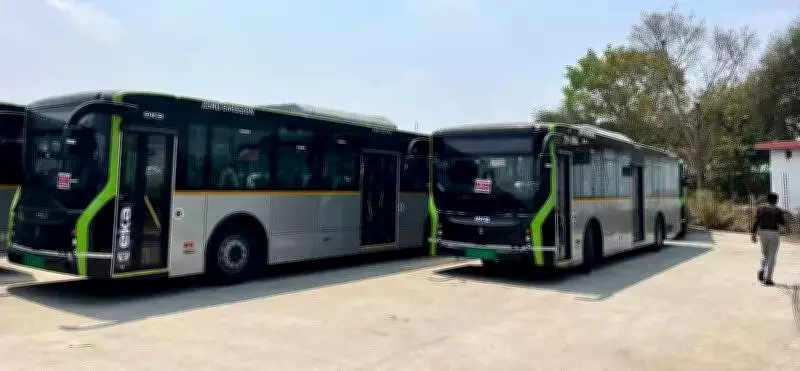
Nagpur's Electric Bus Expansion Hits Major Roadblocks
The Nagpur Municipal Corporation's highly anticipated electric bus expansion program has encountered significant obstacles on two critical fronts. According to recent reports, a total of 139 sanctioned electric buses remain undelivered to the city, while an additional 109 buses that have already been received are sitting idle in depots due to a complete absence of charging infrastructure.
Political Distractions Overshadow Critical Transport Issues
This pressing matter failed to receive the necessary attention during the last general body meeting of the civic administration. The session was dominated by political finger-pointing between former transport committee chairmen Jitendra Kukde and Narendra Borkar, both representing the Bharatiya Janata Party. Their exchange of accusations regarding the functioning of the transport department diverted discussions away from essential topics such as fleet expansion and enhancements to public transport services.
Current Electric Bus Operations and Pending Deliveries
At present, the Nagpur Municipal Corporation operates 385 electric buses across the city. The expansion plan includes 150 electric buses sanctioned under the central government's PM e-bus scheme, complemented by 250 buses funded by the state government. Of the state-funded allocation, the civic body has received 209 electric buses so far. However, only approximately 100 of these vehicles are currently in active service.

The delivery backlog includes 100 buses under the PM e-bus scheme and 39 buses from the EKA batch, which falls under state funding. This delay has raised serious concerns about administrative follow-up and implementation efficiency.
Impact on Public Transport and Environmental Goals
Civic sources emphasize that the pending 139 buses are crucial for multiple public transport improvements. These additional vehicles would help increase frequency on overcrowded routes, significantly reduce passenger waiting times, and expand services to newly developing residential areas that currently lack adequate connectivity.
The expanded electric fleet is also expected to help the municipal corporation substantially cut diesel consumption at a time when fuel supply concerns persist. Officials note that the remaining buses are essential for long-term plans to gradually phase out diesel-run buses and create a more cost-efficient public transportation system.
Nagpur Lags Behind Other Indian Cities
Official sources have pointed out that other major Indian cities including Delhi, Ahmedabad, Surat, Chennai, and Bengaluru are actively pursuing their electric bus expansions with greater urgency. These municipalities are closely following up with manufacturers and fast-tracking depot readiness to ensure quicker delivery and deployment of electric buses. In stark contrast, Nagpur has failed to demonstrate similar proactive measures and urgency in addressing these implementation challenges.
Administrative Response and Future Outlook
Transport committee chairperson Mangala Khekre has acknowledged the situation and stated that she would look into the issue. The dual setbacks of undelivered buses and idle vehicles without charging infrastructure represent significant hurdles in Nagpur's transition toward sustainable urban mobility. As the city aims to modernize its public transportation system, resolving these logistical and infrastructural challenges will be critical for meeting both environmental targets and public service commitments.






