Nagpur's Waste Management Transformation Accelerates After Bhandewadi Fire Incident
A minor fire incident reported at Nagpur's Bhandewadi dumping site on January 30 has brought renewed urgency to the city's ambitious waste management transformation. The brief blaze, which involved a limited quantity of refuse-derived fuel (RDF) at a temporary processing facility, has highlighted the critical importance of Nagpur's upcoming garbage-to-compressed bio-gas (CBG) project, scheduled to become operational in March.
Incident Details and Immediate Response
The fire incident occurred at a temporary waste processing facility operated by SusBde LOC Nagpur Private Ltd, which currently handles fresh waste on an interim basis. According to project officials, the blaze involved accumulated RDF material that is typically shredded and transported to cement companies for boiler incineration purposes.
The on-site operations team responded swiftly to contain the situation, resulting in no reported injuries, no off-site environmental impact, and no significant damage to infrastructure. This prompt handling demonstrated the existing operational capabilities while underscoring the limitations of temporary waste processing arrangements.

Asia's Largest CBG Plant Nears Completion
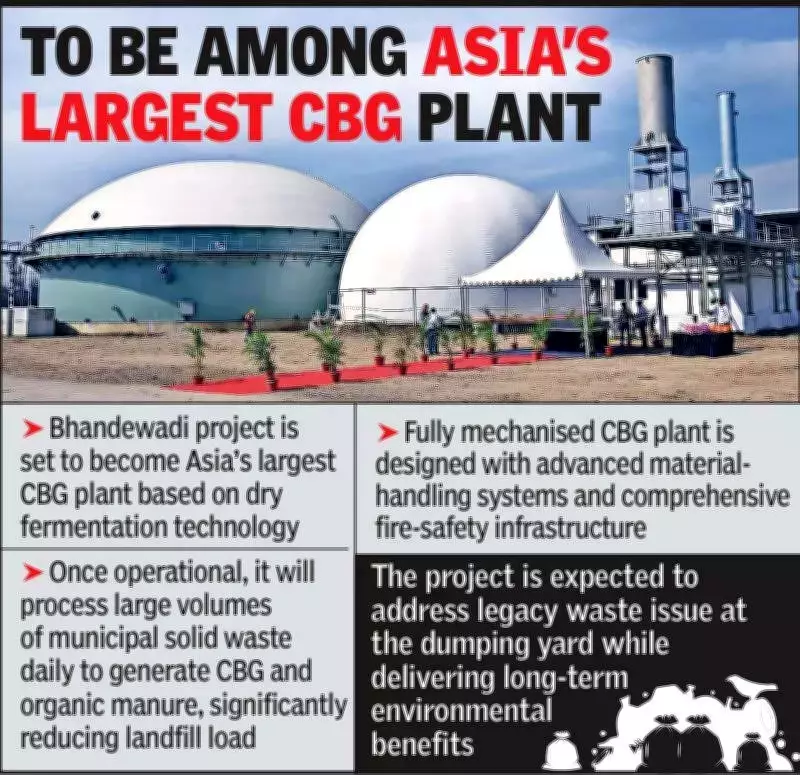
Even as the minor incident was being addressed, work continues at an accelerated pace on the integrated CBG plant being developed on the 30-acre Bhandewadi project site. Backed by the Keva Group, this facility is poised to become Asia's largest CBG plant based on dry fermentation technology, representing a quantum leap in sustainable waste management infrastructure.
Project officials emphasize that the March commissioning will mark a decisive shift in how Nagpur handles its solid waste. The permanent facility features:
- Fully mechanized processing systems
- Advanced material-handling technology
- Comprehensive fire-safety infrastructure
- Integrated waste-to-energy conversion capabilities
Transformational Impact on Nagpur's Waste Management
Once operational, the Bhandewadi CBG plant will process substantial volumes of municipal solid waste daily, generating both compressed bio-gas for energy use and organic manure for agricultural applications. This dual-output approach addresses multiple urban challenges simultaneously:
- Significant reduction in landfill load through efficient waste processing
- Decreased long-term waste storage requirements at dumping sites
- Production of renewable energy from municipal waste streams
- Creation of valuable byproducts for agricultural use
Civic officials view the March commissioning as a major milestone that will position Nagpur as a leader in sustainable urban management and green energy generation. The project is expected to address legacy issues at the Bhandewadi dumping yard while delivering substantial environmental and operational benefits for the city's long-term development.
Broader Implications for Urban Sustainability
The Bhandewadi project represents more than just a waste management upgrade—it symbolizes a fundamental shift in how Indian cities can approach urban sustainability challenges. By converting waste problems into energy solutions, Nagpur is establishing a model that other municipalities across India and Asia may follow.
The temporary fire incident has ironically served to highlight the importance of permanent, technologically advanced waste processing infrastructure. As the city prepares for the March commissioning, attention is focused on how this transformative project will reshape Nagpur's environmental footprint while creating new opportunities in renewable energy and sustainable urban management.