NITI Aayog Proposes Royalty and Incentive Reforms for Critical Minerals
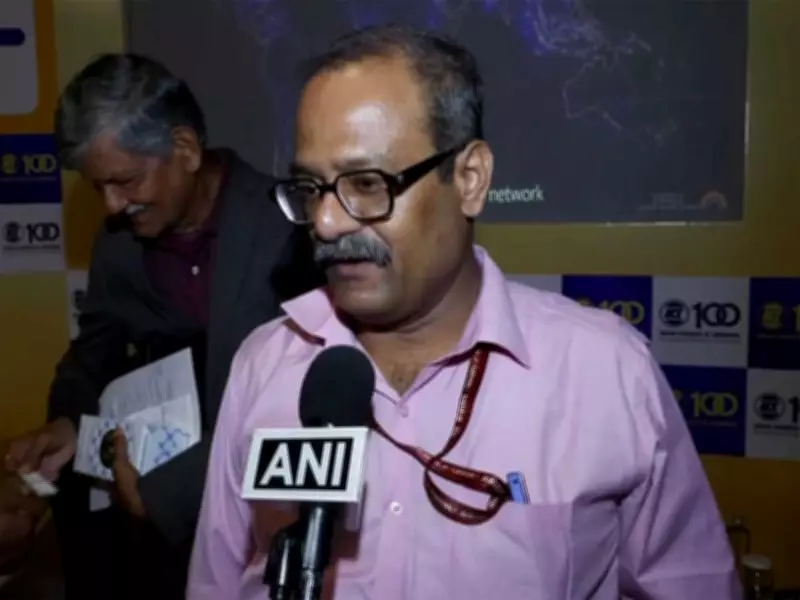
NITI Aayog is developing policy recommendations aimed at encouraging the extraction of critical minerals and reinforcing India's critical mineral value chain, driven by increasing demand from clean energy and advanced technologies. Anupam Lahiri, Principal Director (Minerals) and Additional Director General at NITI Aayog, disclosed this on Wednesday during the 15th India Minerals and Metals Forum.
“We are working on policy prescriptions. One aspect is what the royalty should be so that state governments are compensated, but more importantly, how incentivisation can come for the mine owner so that they can invest in extracting the critical minerals,” Lahiri stated.
Recycling Emerges as Key Pillar of Critical Minerals Strategy
Lahiri highlighted that recycling has become a crucial component of India's critical minerals strategy. A committee is currently examining the entire value chain for recovering critical minerals from battery waste, e-waste, and mining waste. The committee is mapping costs and revenue streams across the chain to design suitable incentives and is expected to deliver a plan of action for implementation by the Ministry of Mines.

“The main problem what we are facing is the collection space. From different households and institutional areas till the critical mineral is recovered, the total value chain we require to map. Only then we can have some policy as to what incentive or at which stage the incentive can be given,” Lahiri explained.
India already generates a substantial volume of battery waste and e-waste, which is projected to grow further in the coming years. Stakeholder consultations are underway to develop a practical framework for strengthening the recycling ecosystem.
Exploration and Overseas Acquisition as Parallel Tracks
Lahiri noted that approximately 5,000 mineral blocks are under exploration or at various stages of exploration across the country. However, converting mineral resources into mineable reserves is a time-consuming process, making overseas acquisition of critical mineral assets another vital pillar of India's strategy. “Till then we cannot wait,” he added.
Indian public sector companies are pursuing critical mineral projects in countries such as Australia and Argentina. However, Lahiri pointed out that several resource-rich nations permit mining but restrict the export of raw ore, requiring processing within their jurisdictions before export, which poses a challenge for supply security.
Technology Scaling Essential to Reduce Costs
The growing importance of new technologies is shifting industrial demand from conventional raw materials toward critical minerals, Lahiri said. India initially identified around 40 minerals as potentially critical, later refining the list after consultations with scientific experts and industry stakeholders.
Highlighting the role of technology, Lahiri stressed that scaling up indigenous technologies is essential to reduce costs and strengthen India's critical mineral ecosystem. “The only problem is that the scale. If the technology can be scaled then only the cost can come down,” he said. Technologies at lower stages of development remain expensive unless scaled up for commercial deployment.
Lahiri expressed confidence that coordinated efforts by the government, industry, research institutions, and technology developers will help India meet a significant share of its future critical mineral requirements through domestic production, recycling, and innovation.