

Noida Labor Unrest Escalates with Fresh Protests and Police Intervention
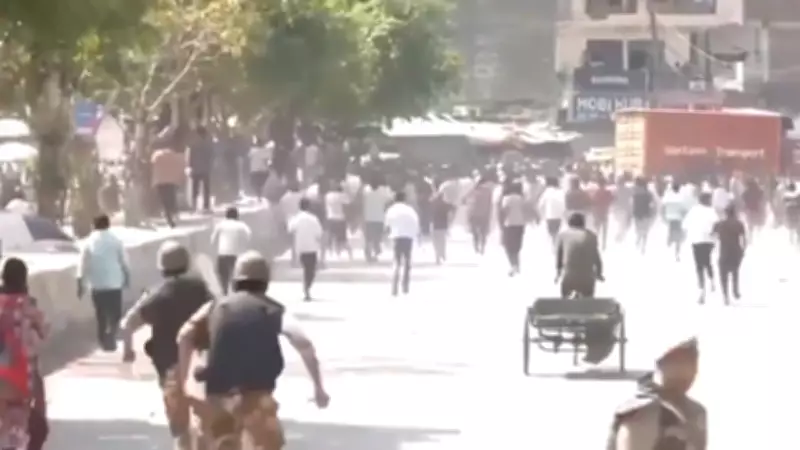
Fresh protests erupted in Noida on April 14, 2026, just one day after large-scale violence rocked the industrial hub. Workers regrouped in Phase-2 and nearby sectors, leading to renewed tension and immediate police intervention. This unrest follows a series of wage-related demonstrations that have gripped the region, highlighting deep-seated grievances among the labor force.
Heavy Police Deployment and Flag March to Restore Order
In response to the escalating situation, police carried out a flag march in Sector 121 and strengthened security across sensitive areas. The deployment aimed to maintain public order and reassure residents amid the ongoing protests. Authorities have stepped up vigilance to prevent further violence and ensure safety in the affected zones.
Interim Wage Hike Announced Amidst Unrest
An interim revision increased minimum wages by approximately 21% for workers in Gautam Buddha Nagar and Ghaziabad. This move was intended to ease tensions following widespread protests and violent incidents. However, the wage hike has failed to quell the unrest, as workers continue to demand more substantial improvements in their living conditions.

Worker Demands: Higher Salaries and Better Living Conditions
Protesting workers are demanding monthly wages between Rs 18,000 and Rs 20,000, citing long working hours, high rent, rising costs, and inadequate pay for survival. Their grievances extend beyond wages to encompass broader issues of economic hardship and poor working environments, which they argue make it impossible to sustain a decent standard of living.
Violence Erupts with Stone Pelting and Injuries
During clashes in Phase-2, protesters allegedly pelted stones, leaving several police personnel injured. Security forces were quickly deployed to control the situation and prevent further escalation. The violence underscores the intensity of the protests and the challenges faced by law enforcement in managing such large-scale demonstrations.
Allegations of Coordinated Mobilization via WhatsApp Groups
Police suspect that protesters were organized through multiple WhatsApp groups created using QR codes. These groups are alleged to have been used to mobilize crowds and coordinate fresh gatherings across various sectors. The digital coordination has added a new dimension to the protests, making them more widespread and difficult to contain.
Digital Messaging Under Scanner for Provocative Content
Some WhatsApp groups circulated provocative messages encouraging the escalation of protests. Digital forensic checks are currently underway to trace the administrators and origin of these networks. Authorities are investigating the role of online platforms in fueling the unrest and plan to take action against those responsible for spreading inflammatory content.






