

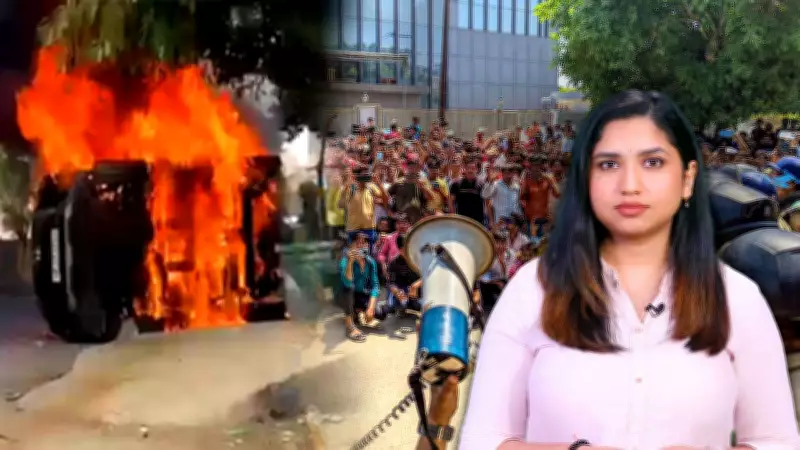
Noida Labor Unrest: Wage Disparity and Economic Strain Spark Violent Protests
Violence erupted in Noida's industrial belt as workers demanding higher wages clashed with police, setting vehicles ablaze and blocking key roads. The protests were triggered by a recent 35% minimum wage hike in neighboring Haryana, which has intensified demands for wage parity among workers in Uttar Pradesh.
Background of the Wage Dispute
The core issue stems from a significant wage gap between workers in Uttar Pradesh and those in Haryana. Following Haryana's implementation of a 35% increase in minimum wages, laborers in Noida have been pushing for similar adjustments to address economic pressures. This disparity has created a sense of injustice among the workforce, who perform similar tasks in the industrial sector but earn considerably less.
Economic Pressures Faced by Workers
Workers in Noida are grappling with rising living costs, including housing, food, and transportation expenses. The current wage levels have failed to keep pace with inflation, making it increasingly difficult for laborers to sustain their families. Many workers have reported that their earnings are insufficient to cover basic necessities, leading to mounting frustration and financial strain.

Sequence of Events Leading to Unrest
- Initial Demands: Workers began organizing peaceful demonstrations to demand wage parity with Haryana and better working conditions.
- Escalation: As negotiations stalled, protests turned violent, with clashes between workers and police forces.
- Property Damage: Several vehicles were set on fire, and key roads were blocked, disrupting industrial activities and traffic flow.
- Police Response: Authorities deployed additional forces to control the situation, leading to further confrontations.
Response from Authorities
Local authorities have acknowledged the workers' grievances and are investigating the incident. Police officials have urged calm and promised to address the wage concerns through dialogue. However, they also emphasized maintaining law and order, warning against further violence. The Uttar Pradesh government is under pressure to review its minimum wage policies to prevent similar outbreaks in the future.
Broader Implications for Labor Policy and Industrial Stability
This unrest highlights critical issues in labor policy and industrial stability in the National Capital Region (NCR). Key implications include:
- Policy Reforms: There is a growing need for coordinated wage policies across states to prevent disparities that fuel unrest.
- Industrial Impact: Prolonged protests could disrupt production and deter investment in the region's industrial sectors.
- Worker Welfare: Ensuring fair wages and addressing economic pressures is essential for maintaining a stable and productive workforce.
- Regional Stability: Similar wage gaps in other parts of the NCR could lead to widespread labor movements, affecting overall economic growth.
The Noida protests serve as a stark reminder of the challenges faced by industrial workers in balancing economic survival with fair compensation. As authorities work to resolve the immediate crisis, long-term solutions must focus on equitable wage structures and improved labor conditions to foster sustainable industrial development.






